
Access Control System For Banks: How To Secure Restricted Areas And Protect Daily Operations
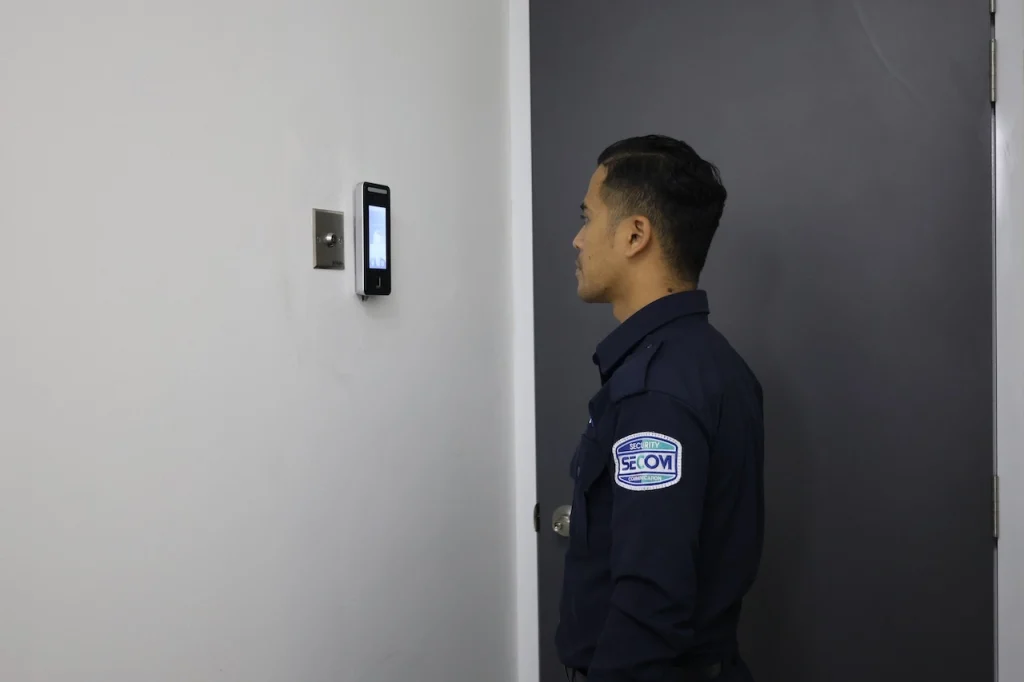
Banks need strict control over who can enter sensitive areas. A branch manages people, cash, confidential information, customer activity and back-office operations every day. Without proper access control, restricted rooms and staff-only areas may face higher risks of unauthorised entry or misuse.
An access control system for banks helps manage authorised entry, restrict sensitive zones and support a stronger physical security framework across branches. It allows banks to decide who can enter specific areas, when they can enter and how entry activity should be monitored.
For banking environments, access control works best as part of a layered security approach that also includes CCTV, alarms, intrusion detection, monitoring support and response procedures. Recent physical security guidelines for financial institutions from ABS also highlight the importance of controlling access to restricted areas and supporting physical security with appropriate monitoring and response measures.
Why Banks Need An Access Control System
Banks cannot rely only on manual supervision, locks or basic entry control. Keys can be misplaced, shared or copied, while manual checks may not provide enough visibility across all restricted areas.
A proper access control system helps ensure that only authorised personnel can enter specific areas. It supports banks by:
- Protecting restricted rooms and back-office areas
- Managing staff access based on roles
- Reducing unauthorised entry risks
- Supporting smoother daily branch operations
- Strengthening physical security across different zones
- Improving visibility over access activity
This gives branch managers and security teams better control over how people move through sensitive areas.

Key Restricted Areas Banks Should Secure
Banks have different zones with different security needs. Public areas, staff-only areas and restricted areas should not be managed in the same way. Access control helps banks separate these zones and protect areas that require stronger oversight.
| Bank Area | Security Concern | Access Control Role |
| Vault Room | Unauthorised entry to high-security areas | Restricts access to approved personnel |
| Cash Handling Area | Internal and external security risks | Limits entry based on job role |
| Teller Counter Area | Exposure to cash and customer transactions | Controls staff-only access |
| Server Room | Access to critical systems and data infrastructure | Prevents unauthorised physical entry |
| Back Office | Sensitive records and operations | Manages staff access permissions |
| ATM Service Area | Tampering or unauthorised maintenance access | Limits entry to authorised teams |
By mapping access control to each area, banks can reduce unnecessary exposure and improve control over sensitive operations.
How Access Control Supports Daily Bank Operations
Access control is not only a security tool. It also supports daily branch management by making authorised entry more structured and efficient.
An access control system can help banks:
- Manage employee entry more efficiently
- Separate public, staff-only and restricted zones
- Track access activity through entry logs
- Support branch opening and closing procedures
- Reduce dependency on manual key management
- Standardise access across different areas
- Improve accountability during internal reviews
For branches with multiple access points, this can make daily operations easier to manage while maintaining stronger security control.
Important Features Of An Access Control System For Banks
The right access control system should match the way a bank operates. It should be practical for authorised staff, secure for restricted zones and easy for administrators to manage.
Important features may include:
- Card access systems for controlled staff entry
- Biometric access control for sensitive areas
- PIN or multi-factor access options for stronger verification
- Door access controllers to manage entry points
- User access permissions based on roles
- Entry and exit logs for access activity records
- Time-based access settings for scheduled permissions
- Alarm integration for unauthorised access alerts
- CCTV integration for visual verification
- Centralised access management for easier administration
These features help banks manage access more consistently across branch areas and restricted rooms.
How Access Control Works With Other Bank Security Systems
Access control becomes stronger when it connects with other security solutions. CCTV surveillance can help verify entry events. Intrusion detection systems can detect unauthorised movement. Alarm systems can trigger alerts when a door is forced or accessed improperly. Central and remote monitoring systems can support faster review and escalation.
This layered approach can include:
- CCTV surveillance
- Intrusion detection systems
- Alarm systems
- Central monitoring systems
- Remote monitoring systems
- Security guards and response teams
The same access control principle applies across other high-security environments. For example, an access control system for data centers can protect server rooms and technical areas, while biometric access control for university environments can help manage restricted campus facilities. Healthcare facilities may also use biometric access control hospital solutions to protect sensitive rooms and staff-only zones.
For banks, integrating access control with wider security systems helps teams detect, verify and respond more effectively instead of treating each security event separately.
Benefits Of Access Control Systems For Banks
Access control systems give banks a more reliable way to manage sensitive areas and staff movement. They help improve security while supporting operational consistency.
Key benefits include:
- Helps prevent unauthorised entry
- Protects sensitive banking areas
- Improves staff accountability
- Supports faster incident investigation
- Reduces risks linked to lost or copied keys
- Strengthens branch security procedures
- Supports consistent access management across locations
- Helps administrators update access rights more efficiently
These benefits are especially important for banks that need strong control over vaults, cash areas, server rooms, back offices and ATM service zones.
What Banks Should Consider Before Choosing An Access Control System
Before choosing an access control system, banks should assess their site requirements carefully. The right system should match the branch layout, security risks and day-to-day operations.
Important considerations include:
- Branch layout and number of access points
- Restricted areas that require stronger protection
- Staff roles and access levels
- Existing CCTV, alarm or monitoring systems
- Multi-branch management needs
- Ease of use for administrators
- Maintenance and support requirements
- Scalability for future expansion
A proper assessment helps banks choose a system that supports security needs without making daily operations unnecessarily complex.

How SECOM Malaysia Supports Bank Access Control Solutions
SECOM Malaysia is a trusted security solutions provider that helps businesses strengthen physical security with integrated solutions. For banks, SECOM Malaysia can help assess site requirements and build a suitable layered security setup based on branch layout, restricted areas and operational needs.
Relevant solutions may include an access control system for banks, CCTV systems, intrusion detection systems, alarm monitoring, remote monitoring, central monitoring support and security personnel or response-related support where relevant.
By combining these solutions, SECOM Malaysia helps banks improve control over sensitive areas, strengthen branch security and support safer daily operations.
Conclusion: Secure Restricted Banking Areas With Smarter Access Control
Access control systems help banks protect restricted areas, manage authorised entry and support smoother daily operations. With the right setup, banks can reduce unauthorised entry risks, improve staff accountability and strengthen security across vaults, cash rooms, server rooms, back offices and ATM service areas.
Strengthen your bank branch security with a reliable access control system for banks. Contact SECOM Malaysia to explore integrated security solutions for restricted areas, branches and banking operations.
FAQs
What is an access control system for banks?
An access control system for banks manages who can enter restricted areas using cards, biometrics, PINs or authorised credentials.
Which bank areas need access control?
Banks should secure vault rooms, cash handling areas, teller zones, server rooms, back offices, ATM service areas and staff-only entrances.
Can access control systems work with CCTV?
Yes. Access control systems can work with CCTV to help verify entry events and support incident investigation.
Why should banks use access control instead of keys?
Access control helps reduce risks linked to lost, copied or shared keys while giving banks better visibility over staff access activity.

