
AED Installation in Schools in Malaysia: Why Every Campus Needs Emergency Response Readiness
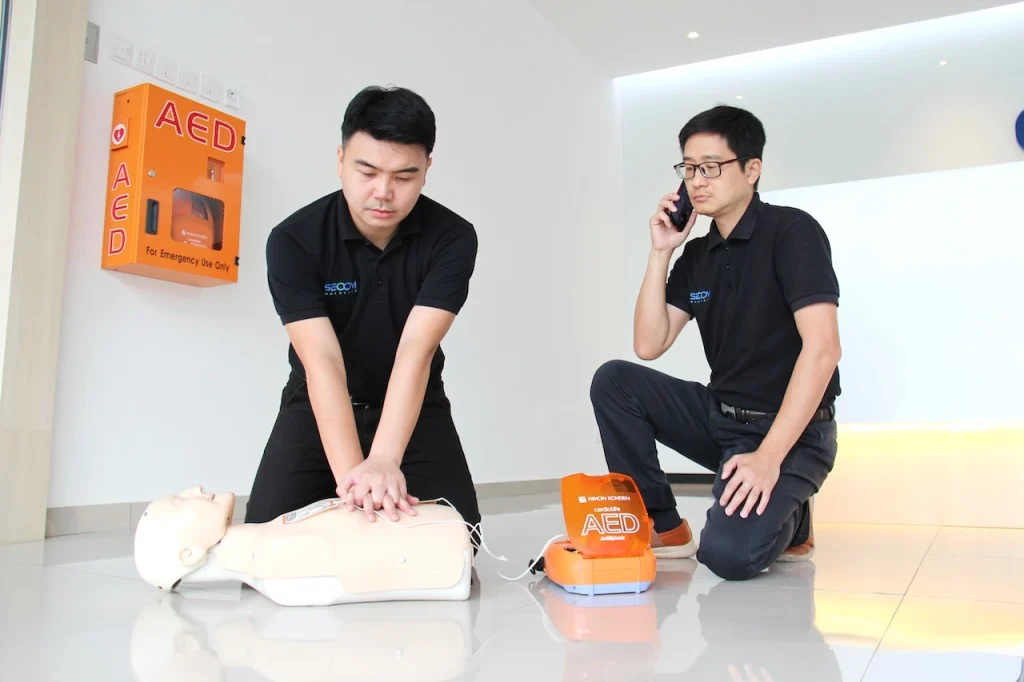
Emergency readiness matters in every school environment. Campuses are active spaces where students, teachers, staff, parents and visitors gather throughout the day. From classrooms and halls to sports areas and common spaces, schools need practical safety measures that support fast, organised action when emergencies happen. Recent developments, such as Selangor’s move to make defibrillators mandatory in all new buildings, highlight the growing focus on improving public access to life-saving equipment.
AED installation in schools in Malaysia helps education institutions prepare for sudden cardiac emergencies by making automated external defibrillators more accessible during critical moments. With clear placement, visible signage and staff awareness, schools can strengthen emergency response readiness in a calm and practical way.
Why AED Installation In Schools Matters
An automated external defibrillator, or AED, supports emergency response during sudden cardiac arrest by giving clear prompts to the responder. It is designed to guide users through the response process, which can help school teams act more confidently while waiting for medical support.
AED installation matters because schools host many different groups every day, including students, staff, parents, contractors and visitors. Emergencies may happen in classrooms, sports areas, halls, canteens or shared spaces. When an AED is accessible, school personnel can respond more quickly before emergency medical services arrive.
Installing AEDs also shows proactive duty of care. It helps schools demonstrate that they take emergency planning, campus wellbeing and safety readiness seriously.

How AEDs Support Emergency Response Readiness
AED installation should be part of a broader emergency preparedness plan. Schools should not view the device as a standalone item, but as part of first aid readiness, staff awareness and emergency response procedures.
AEDs can support schools by:
- Helping staff respond more confidently during cardiac emergencies
- Providing guided instructions during use
- Supporting first aid and emergency response procedures
- Working alongside CPR and emergency medical services
- Helping schools prepare for incidents during lessons, events and sports activities
A well-placed AED can make emergency response more organised, especially when staff know where the device is located and how to escalate an incident. This makes AED placement an important part of school emergency preparedness, especially for campuses with sports activities, events and shared facilities.
Where Should Schools Install AEDs?
AED placement should focus on visibility, accessibility and response time. Schools should avoid placing AEDs in hidden or difficult-to-access areas.
| School Area | Why It Matters |
| Main Lobby Or Reception | Easy for staff and visitors to locate quickly |
| Sports Hall Or Field Area | Supports response during physical activities |
| Assembly Hall | Covers large gatherings and school events |
| Canteen Or Common Area | Accessible during daily student movement |
| Administrative Office | Helps staff manage access and emergency coordination |
| Boarding Facilities | Supports campuses with students staying on-site |
The right placement depends on the campus layout, building access and how students and staff move around the school each day.
What Schools Should Consider Before AED Installation
Before installing an AED, schools should review their campus environment and emergency response needs. Proper planning helps ensure the device is accessible, visible and suitable for daily school operations.
Important considerations include:
- Campus size and layout
- Number of buildings and floors
- Accessibility during school hours and events
- Visibility and signage
- Staff awareness and emergency procedures
- Suitability for sports and high-traffic areas
- Maintenance and readiness checks
- Support from a reliable AED provider
Schools should also think about how AED access works during after-school activities, weekend events, sports training or parent functions.
AED Installation For Different Education Environments
Different education settings may need different AED placement plans. Kindergartens and primary schools may focus on reception areas, halls and administrative zones where staff can coordinate response quickly. Secondary schools may need AEDs near sports facilities, common areas and larger assembly spaces.
International schools, colleges and universities often cover larger campuses with multiple buildings. In these environments, AED planning may need to consider sports complexes, hostels, laboratories, libraries and event spaces. Schools that are reviewing wider university campus security in Malaysia needs can also include AED readiness as part of broader campus safety planning.
Boarding schools, tuition centres and training institutions should also consider accessibility, clear signage and staff awareness. The goal is to make the AED easy to locate and suitable for the way the site operates.
How AED Installation Builds Confidence Among Parents And Staff
Visible emergency preparedness can help reassure parents, teachers and staff that the school takes campus safety seriously. An AED does not replace emergency medical services, but it supports the school’s ability to act while help is on the way.
AED readiness can:
- Show that the school values student and staff wellbeing
- Support a safer learning environment
- Help staff feel more prepared for emergencies
- Strengthen the school’s overall safety culture
- Complement existing first aid and emergency plans
This is especially important for campuses that host sports days, assemblies, open days, examinations, performances and other large gatherings.

Why Schools Should Work With A Reliable AED Provider
AED installation is not only about buying a device. Schools should also consider proper placement, user awareness, after-sales support and long-term readiness.
A reliable provider can support schools with:
- Product suitability
- Installation guidance
- Clear signage and accessibility
- Maintenance support
- Replacement of consumable parts when needed
- Training or user guidance, where available
- Responsive support for school facility teams
For schools comparing safety and security needs, an AED for school in Malaysia solution can form part of a wider preparedness plan alongside first aid processes, emergency communication and campus security procedures.
Schools may also review related safety systems such as an intruder alarm system for schools to strengthen protection during unauthorised access events. Healthcare-related institutions or medical learning facilities may consider lessons from AED installation for clinic planning, especially around visibility, readiness checks and emergency access.
How SECOM Malaysia Supports AED Installation In Schools
SECOM Malaysia is a trusted security and safety solutions provider that supports organisations with integrated safety and security solutions. For schools and education institutions, SECOM Malaysia can help make AEDs more accessible, visible and suitable for the campus environment.
Relevant support may include AED solutions for schools and education institutions, site suitability guidance, emergency readiness support and alignment with wider campus safety planning. SECOM Malaysia can also support schools, campuses and institutional facilities that want to strengthen safety readiness alongside broader security measures.
Conclusion: Build A Safer Campus With AED Readiness
AED installation in schools Malaysia helps campuses strengthen emergency response readiness and create safer environments for students, staff and visitors. With proper placement, visible signage, staff awareness and reliable provider support, schools can take a proactive step towards stronger campus safety.
Support a safer school environment with reliable AED installation. Contact SECOM Malaysia to explore AED solutions for schools, campuses and education institutions in Malaysia.
FAQs
What is AED installation in schools?
AED installation in schools in Malaysia means placing automated external defibrillators in accessible campus areas so responders can use them during cardiac emergencies.
Why should schools in Malaysia install AEDs?
Schools should install AEDs to improve emergency readiness and support faster response during sudden cardiac emergencies.
Where should AEDs be placed in schools?
AEDs should be placed in visible, accessible areas such as receptions, sports areas, halls, common spaces and administrative zones.
Do schools need AED maintenance?
Yes. Schools should check AED readiness regularly and work with a reliable provider for maintenance support and replacement parts when needed.

