
Biometric Access Control For Hospitals: How To Secure Restricted Areas And Protect Patient Safety
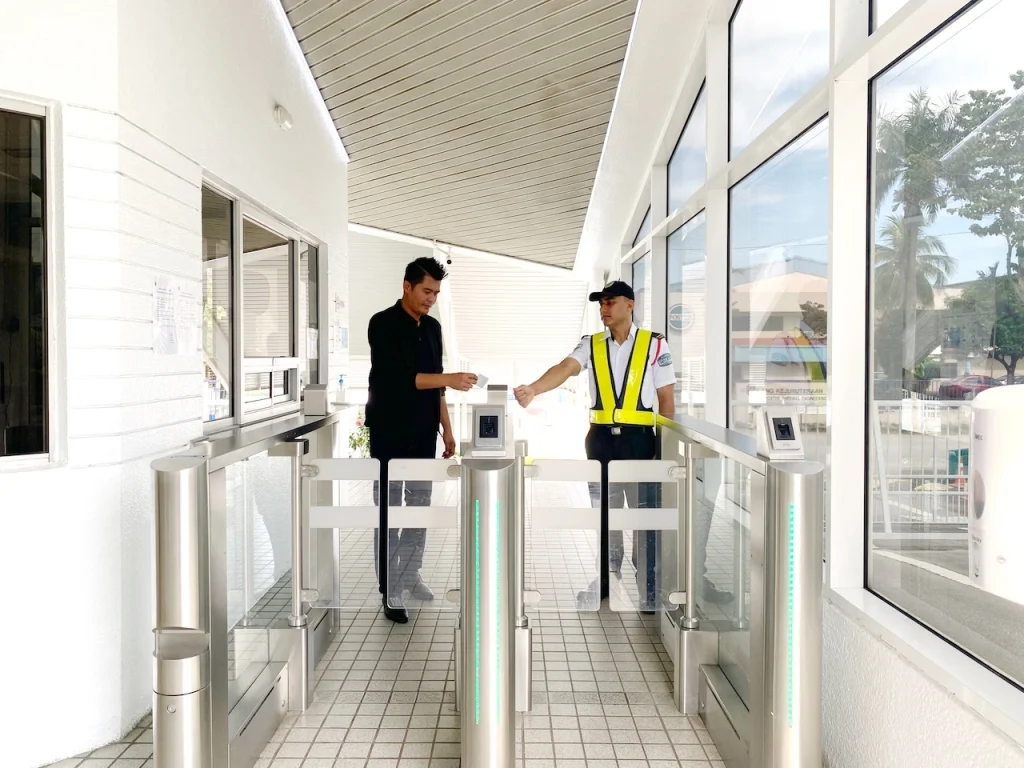
Hospitals need strict access control across sensitive areas because healthcare facilities manage patients, medical staff, visitors, contractors, medicines, records and critical equipment every day. With many people moving through wards, treatment areas, offices and support zones, hospitals need a reliable way to separate public spaces from restricted areas.
Biometric access control for hospital environments helps healthcare teams manage authorised entry, protect restricted zones and support safer daily operations. By using unique credentials such as fingerprints or facial recognition where suitable, hospitals can reduce reliance on shared cards or manual checks while improving control over sensitive areas.
Why Hospitals Need Biometric Access Control
Hospitals cannot rely only on basic locks, manual checks or shared access cards. These methods may create gaps when cards are lost, borrowed or used by the wrong person. Biometric access control helps verify authorised users based on unique credentials, making access management more secure and accountable.
Biometric access control can help hospitals:
- Restrict access to sensitive medical areas
- Protect patients, staff and visitors
- Reduce risks linked to lost or shared access cards
- Improve staff accountability
- Support controlled movement within the facility
- Strengthen physical security across high-risk zones
This helps healthcare facilities manage daily movement more confidently, especially in areas where safety, privacy and operational control matter.
Common Security Challenges In Healthcare Facilities
Hospitals and healthcare facilities face unique security challenges because they must remain accessible while still protecting sensitive areas. High visitor movement, shift changes, emergency access needs and contractor activity can make manual access control difficult to manage.
Common concerns include:
- Unauthorised visitors entering restricted wards
- Access to pharmacies, laboratories or medication storage areas
- Staff-only areas being accessed by the wrong personnel
- Lost, borrowed or shared access cards
- High visitor movement throughout the day
- Emergency areas requiring controlled but efficient access
- After-hours access risks
- Protection of medical equipment and sensitive records
Hospitals may also combine access control with a healthcare remote surveillance system in Malaysia to improve visibility across sensitive or high-traffic areas.
Key Hospital Areas That Need Biometric Access Control
Different hospital areas carry different security risks. Biometric access control for hospitals helps healthcare facilities apply stronger entry controls to areas that require authorised access only.
| Hospital Area | Security Concern | Biometric Access Control Role |
| Pharmacy | Access to medication and controlled storage | Restricts entry to authorised healthcare staff |
| Operating Theatre | Patient safety and sterile environment control | Limits access to approved medical teams |
| Laboratory | Sensitive samples, equipment and test areas | Controls entry to trained personnel |
| ICU Or Critical Care Unit | Patient privacy and safety | Manages authorised staff and visitor access |
| Medical Records Room | Confidential patient information | Prevents unauthorised physical access |
| Server Or IT Room | Healthcare systems and data infrastructure | Secures critical technology areas |
| Staff-Only Areas | Internal operations and staff safety | Separates public and authorised zones |
This helps hospitals protect patients, information, medication and equipment while supporting daily healthcare operations.
How Biometric Access Control Supports Patient Safety
Biometric access control is not only a facility security tool. It also supports patient safety by helping hospitals manage who can enter sensitive care areas.
It can help hospitals:
- Prevent unauthorised access to sensitive care areas
- Protect patients in restricted wards or critical care areas
- Support safer movement of staff, visitors and contractors
- Reduce confusion between public and staff-only zones
- Improve response during access-related incidents
- Strengthen security around medication, equipment and records
When hospitals control access more clearly, healthcare teams can focus on patient care while reducing unnecessary security risks.
Important Features Of Biometric Access Control For Hospitals
A hospital access control system should be secure, practical and suitable for healthcare workflows. It should also support hygiene considerations, staff movement and different access levels across the facility.
Important features may include:
- Fingerprint recognition, where suitable
- Facial recognition, where suitable
- Contactless access options
- Role-based access permissions
- Time-based access settings
- Entry and exit logs
- Door access controllers
- Multi-factor authentication options
- Visitor access management
- Integration with CCTV and alarm systems
- Centralised access management for larger facilities
For example, the security principles used in biometric access control for banks in Malaysia can also apply to healthcare areas that need tighter access control, while an AED machine for medical facilities may support wider safety readiness in clinical environments.
How Biometric Access Control Works With CCTV And Security Monitoring
Biometric access control becomes more effective when connected to wider hospital security systems. CCTV surveillance can help verify access events. Alarm systems can alert teams to forced entry or unusual movement. Intrusion detection systems can support after-hours protection, while remote monitoring and central monitoring can help teams review alerts more efficiently.
An integrated hospital security setup may include:
- CCTV surveillance
- Alarm systems
- Intrusion detection systems
- Remote monitoring systems
- Central monitoring systems
- Security personnel or response teams
This integration helps healthcare facilities verify access events, investigate incidents and respond more effectively. Similar access control principles may also apply to a data center biometric access control system, biometric access control for university environments and biometric access control for industrial site facilities where restricted areas need stronger protection.
Benefits Of Biometric Access Control For Healthcare Facilities
Biometric access control gives hospitals a stronger way to manage restricted areas and authorised movement. It helps improve security while supporting practical daily operations.
Key benefits include:
- Helps prevent unauthorised entry
- Improves protection for patients and staff
- Secures restricted medical areas
- Reduces risks linked to shared or misplaced access cards
- Improves staff accountability through access records
- Supports smoother movement across controlled areas
- Strengthens security around medicines, equipment and records
- Supports scalable access management across larger facilities
These benefits are valuable for hospitals, clinics and healthcare environments that need reliable control over sensitive areas.
What To Consider Before Choosing Biometric Access Control For Hospitals
Before choosing biometric access control, healthcare facilities should assess their layout, workflows and security requirements. The system should protect restricted areas without creating unnecessary delays for authorised staff.
Important considerations include:
- Facility layout and number of access points
- Areas that require restricted access
- Staff roles and access levels
- Visitor and contractor access needs
- Hygiene and contactless access preferences
- Integration with existing CCTV or alarm systems
- Ease of use for hospital administrators
- Scalability for future expansion
- Maintenance and technical support
- Suitability for high-traffic environments
A proper assessment helps hospitals choose a system that supports both security and daily healthcare operations.
Best Practices For Hospital Access Control
Hospital access control works best when it supports both safety and operational flow. A clear plan helps healthcare teams protect sensitive areas while maintaining efficient movement for authorised users.
Best practices include:
- Separate public, patient, staff and restricted zones
- Use stronger access control for pharmacies, labs and operating areas
- Review staff permissions regularly
- Connect access control with CCTV for better verification
- Keep emergency access procedures clear
- Use visitor management for controlled areas
- Monitor access logs for unusual activity
- Maintain systems regularly to support reliability
These practices help hospitals build a safer, more organised and better controlled environment.
How SECOM Malaysia Supports Hospital Security
SECOM Malaysia is a trusted security solutions provider that supports organisations with integrated physical security solutions. For hospitals and healthcare facilities, SECOM Malaysia can help assess access risks, secure restricted zones and build a safer healthcare environment.
Relevant solutions may include biometric access control for hospital environments, CCTV surveillance, alarm systems, intrusion detection systems, remote monitoring, central monitoring support and security personnel or response-related support where relevant.
By combining these solutions, SECOM Malaysia helps healthcare facilities improve access control, strengthen visibility and support safer daily operations.
Conclusion: Strengthen Hospital Safety With Smarter Access Control
Biometric access control helps hospitals protect restricted areas, manage authorised entry and support patient safety across daily operations. With the right setup, healthcare facilities can reduce unauthorised access risks, improve staff accountability and strengthen security around patients, medicines, records and equipment.
Protect patients, staff and sensitive healthcare areas with reliable biometric access control for hospital environments. Contact SECOM Malaysia to explore integrated hospital security solutions for your facility.
FAQs
What is biometric access control for hospitals?
Biometric access control for hospitals manages entry to restricted areas using unique credentials such as fingerprints or facial recognition, where suitable.
Why do hospitals need biometric access control?
Hospitals use biometric access control to secure sensitive areas, protect patients and staff, and reduce risks linked to unauthorised entry.
Which hospital areas need biometric access control?
Hospitals can use biometric access control for pharmacies, operating theatres, laboratories, ICUs, records rooms, server rooms and staff-only areas.
Can biometric access control work with CCTV?
Yes. Biometric access control can work with CCTV to help healthcare facilities verify access events and support incident investigations.

