
CCTV Connection and Networking: How to Design Reliable CCTV Networks for Large Premises in Malaysia
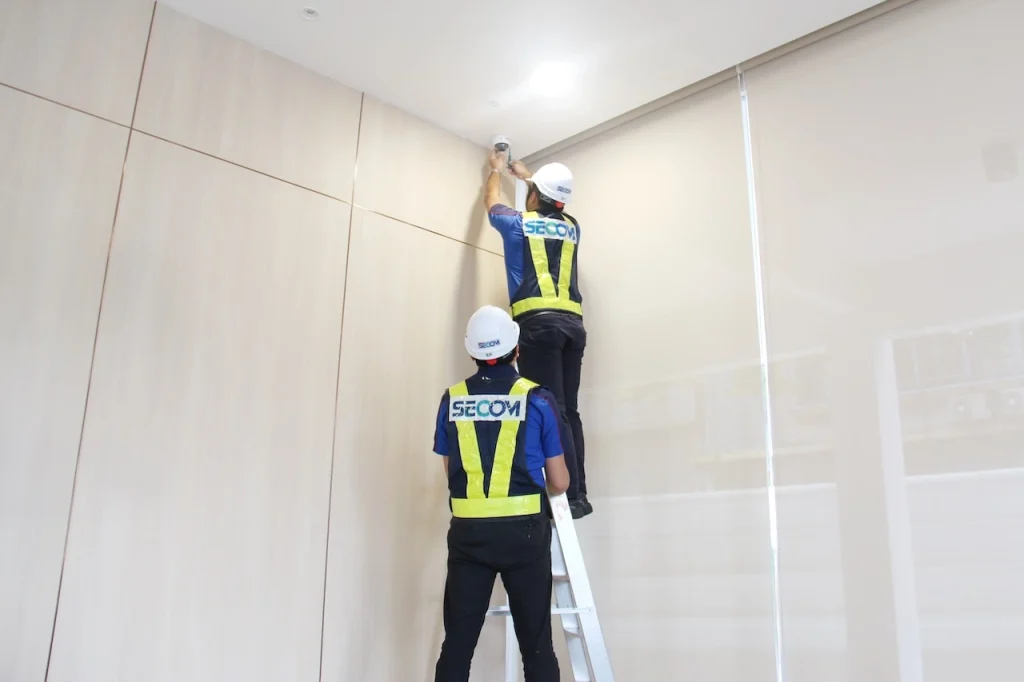
Large facilities such as factories, warehouses, retail chains and corporate offices depend on a stable CCTV connection to maintain visibility, security and operational continuity. However, many CCTV failures are caused by poor network design rather than faulty cameras, resulting in recording interruptions, missed incidents and delayed investigations.
A reliable CCTV surveillance system should support uninterrupted monitoring, remote access and future expansion. For businesses operating across multiple locations, strong network planning and scalable monitoring capabilities can improve response speed, reduce downtime and support more reliable remote monitoring.
Why Large Premises Need Rock-Solid CCTV Connections
Many businesses focus heavily on camera quality but overlook the infrastructure supporting their CCTV security system. Weak networks can lead to disconnected cameras, delayed footage retrieval and unreliable remote access, reducing the effectiveness of surveillance during incidents.
For larger premises, poor connectivity may affect recording quality and response times. Downtime can lead to missed thefts, delayed investigations, incomplete evidence and difficulties retrieving footage for insurance or compliance purposes. A stable CCTV network helps maintain visibility and improve day-to-day monitoring. Common consequences of poor CCTV networking include:
- Missed incidents due to recording interruptions
- Delayed investigations or police reporting
- Insurance claim complications caused by missing footage
- Inability to monitor sites remotely
- Reduced visibility across multiple premises
Reliable networks also make remote CCTV monitoring systems more effective, allowing businesses to view footage from offices, factories or retail sites anywhere in Malaysia.
For logistics operators managing warehouses, loading bays and transport routes, remote CCTV monitoring for logistics can help improve visibility across high-movement environments where delayed footage access may affect incident response.
Public agencies and critical infrastructure sites may also require a government CCTV monitoring system that supports centralised visibility, reliable recording and faster response coordination across sensitive locations.

5 Key Components Every CCTV Network Should Have
A stable CCTV network relies on more than cameras alone. The following components help improve performance, scalability and long-term reliability.
For healthcare environments, a patient monitoring CCTV system should be planned carefully to support visibility in appropriate shared or operational areas while respecting privacy, access control and patient care requirements.
PoE Switches
Power over Ethernet (PoE) switches deliver power and video through a single cable, reducing wiring complexity and simplifying installation. With less cabling, easier maintenance and faster deployment, PoE infrastructure is commonly used in larger CCTV camera systems as it supports simpler expansion while reducing clutter within commercial environments.
Cat6 Cables
Quality network cabling directly affects CCTV connection reliability. Cat6 cables generally provide stronger signal performance across larger sites and are commonly used in factories, warehouses and commercial facilities with longer cable runs.
Compared to lower-grade cabling, stronger infrastructure may reduce latency, signal loss and future maintenance issues. Choosing suitable cables early can also make expansion easier as businesses increase camera numbers over time.
Central NVR Room
A dedicated room for NVR CCTV system, switches and backup power improves maintenance and simplifies troubleshooting. Businesses expanding across multiple sites may benefit from scalable monitoring architectures to support long-term growth and centralised oversight.
Centralised equipment locations can also improve access control, reduce tampering risks and simplify servicing.
Business Fibre Internet
Large premises with multiple cameras often require stronger internet infrastructure to support recording and remote access, particularly when using CCTV IP systems, where network stability directly affects footage accessibility.
Insufficient bandwidth may cause unstable remote viewing, delayed footage retrieval and interruptions across multiple feeds. As businesses expand, dedicated fibre connections often become necessary.
Smart Routers
Routers configured to prioritise CCTV monitoring traffic may reduce interruptions caused by office internet usage. This becomes increasingly important in workplaces where surveillance operates alongside cloud software, video conferencing and other high-bandwidth activities.
Without traffic prioritisation, recording quality and live viewing performance may be affected during busy periods.
7 Steps to Design a Reliable CCTV Network
Designing a reliable CCTV network starts with understanding site requirements and planning for future growth.
1. Create a Site Map
Start by identifying entrances, blind spots, parking areas, high-value storage locations and perimeter zones. A site map helps determine optimal camera positions while highlighting locations that may require stronger coverage or additional monitoring.
Educational institutions should also assess entrances, corridors, car parks, canteens and shared student areas when planning CCTV for school security in Malaysia, as camera placement should support both safety and privacy-conscious monitoring.
2. Estimate Camera Requirements
Larger sites typically require cameras across entrances, loading areas, storage zones and high-traffic spaces. Camera placement should prioritise operational risks rather than simply maximising coverage. Businesses planning future expansion may also benefit from networks designed to support additional cameras without major infrastructure upgrades.
3. Plan Cable Routes
Straight and organised cable paths improve maintenance efficiency while reducing signal loss and connectivity issues over time. Careful planning can also simplify future upgrades or expansions.
4. Select Suitable Network Switches
Network switch capacity should support both current camera counts and future expansion requirements. Choosing suitable switches early helps reduce performance limitations as surveillance needs grow.
5. Assess Internet Capacity
Bandwidth planning becomes increasingly important for larger CCTV camera systems, particularly when live monitoring and recording occur simultaneously. Insufficient internet capacity may result in delayed uploads, unstable viewing performance and interruptions across multiple camera feeds.
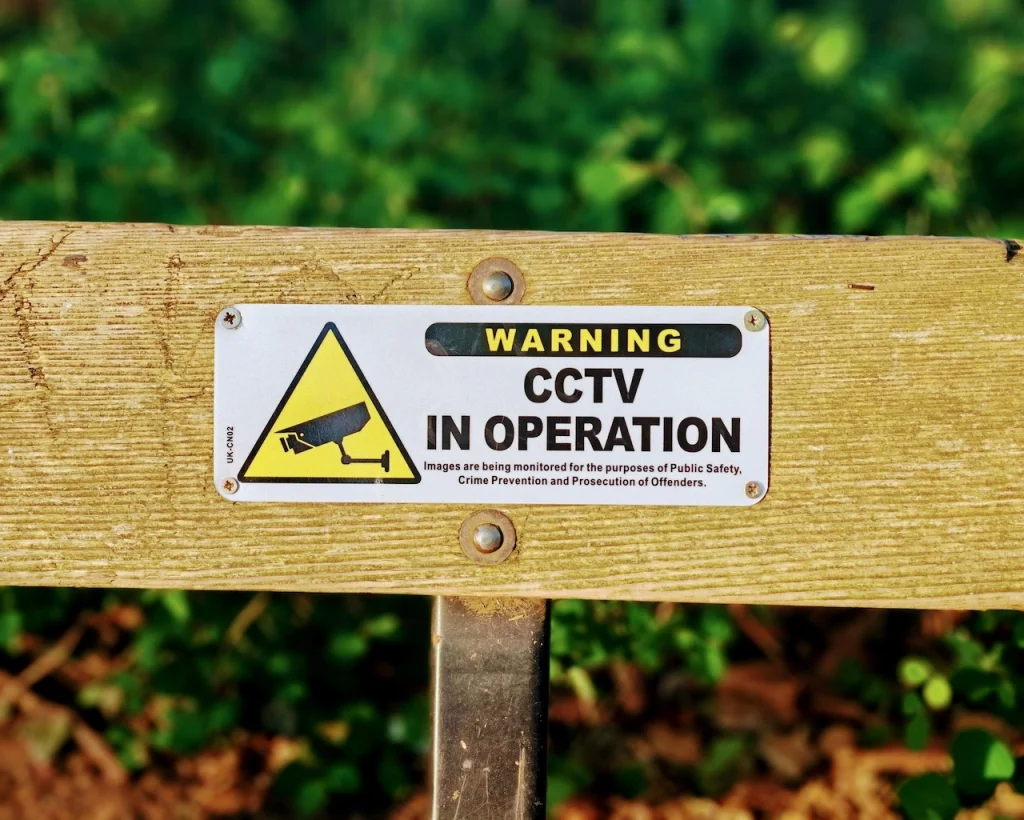
6. Install PDPA-Compliant Signage
Businesses using surveillance should display visible CCTV notices to inform visitors and support transparency. The Malaysian Department of Personal Data Protection also highlights informing individuals when they are under surveillance, reinforcing the need for visible notices near entrances.
7. Perform Continuous System Testing
Continuous testing can help identify dropped cameras, bandwidth issues, storage failures and connectivity interruptions that shorter checks may overlook. Regular testing helps confirm that the CCTV network performs reliably under continuous operation.
Wired vs Wireless CCTV Networks: Which Is Better?
For larger commercial environments, wired systems remain the preferred option due to stronger reliability. This aligns with why many organisations adopt CCTV systems in Malaysia, designed for scalability rather than relying solely on temporary wireless infrastructure.
| Factor | Wired Network (Recommended) | Wireless Network |
| Reliability | Stronger uptime reliability | Weather/WiFi issues |
| Best For | Factories, warehouses | Temporary setups |
| Installation | One-time professional setup | Ongoing adjustments |
| SECOM Choice | Mission-critical systems | Backup support |
For facilities where continuous monitoring is essential, wired networks generally provide stronger long-term performance.
CCTV Bandwidth Requirements by Business Size
Bandwidth directly affects performance for remote video monitoring systems.
| Business Size | CCTV Setup | Internet Consideration |
| Small to medium premises | Standard HD CCTV setup | Stable business internet may support basic remote access |
| Larger facilities | Multiple camera zones with remote viewing | Stronger business fibre may be required |
| Multi-site operations | Centralised monitoring across locations | Dedicated connectivity and scalable storage planning are recommended |
As a general rule, plan additional bandwidth if live viewing and recording occur simultaneously to reduce performance issues and interruptions. Businesses planning larger deployments may also evaluate different CCTV storage solutions for centralised footage management as camera numbers increase.
Monthly CCTV Network Health Checklist
Regular maintenance helps improve long-term reliability, particularly for businesses relying on CCTV monitoring across multiple premises. Small issues such as unstable switches, storage limitations or connectivity drops can develop into larger failures if left unchecked.
| Check | What to Review | Responsible Team |
| Camera feeds | All cameras visible | Security team |
| Switch status | Healthy indicators | IT staff |
| Remote access | Clear external viewing | Security manager |
| Storage | Available space | NVR administrator |
| PDPA signage | Visibility | Facility management |
A simple monthly review may help reduce downtime and identify performance issues before they affect monitoring capability.
6 Costly CCTV Network Mistakes Businesses Should Avoid
Large facilities commonly experience network problems due to planning mistakes. Common issues include:
- Using home WiFi for business CCTV systems
- Consumer-grade switches overheating
- Lack of backup power
- Poor bandwidth planning
- Missing PDPA notices
- Skipping professional site surveys
Businesses also underestimate how CCTV DVR vs NVR differences affect long-term scalability, storage performance and remote monitoring capability.
Frequently Asked Questions About CCTV Connection and Networking
1. What causes CCTV connection failures most often?
Poor network design, overloaded switches, weak cabling and insufficient bandwidth are among the most common causes of CCTV failure. In larger facilities, unstable CCTV connections may lead to recording interruptions, delayed footage retrieval and reduced monitoring performance.
2. Is wired CCTV better than wireless CCTV for businesses?
Wired CCTV is generally preferred for larger premises because it offers stronger reliability, scalability and lower risk of connectivity interruptions. Businesses operating factories, warehouses or multi-site facilities often choose wired networks to support long-term CCTV monitoring and continuous surveillance.
3. How much internet speed does a CCTV system need?
Internet requirements vary depending on camera quantity, resolution and whether footage is accessed remotely. Larger CCTV camera systems often require dedicated business fibre to support live viewing, recording and remote monitoring simultaneously.
4. Why is PDPA signage important for CCTV systems in Malaysia?
Visible signage helps inform visitors about surveillance practices and supports transparency when CCTV systems in Malaysia are used in commercial environments. Clear notices may also help organisations meet privacy expectations by informing individuals when they are under surveillance.

