
Comparing AED Defibrillator Types for Corporate Offices and Public Facilities in Malaysia
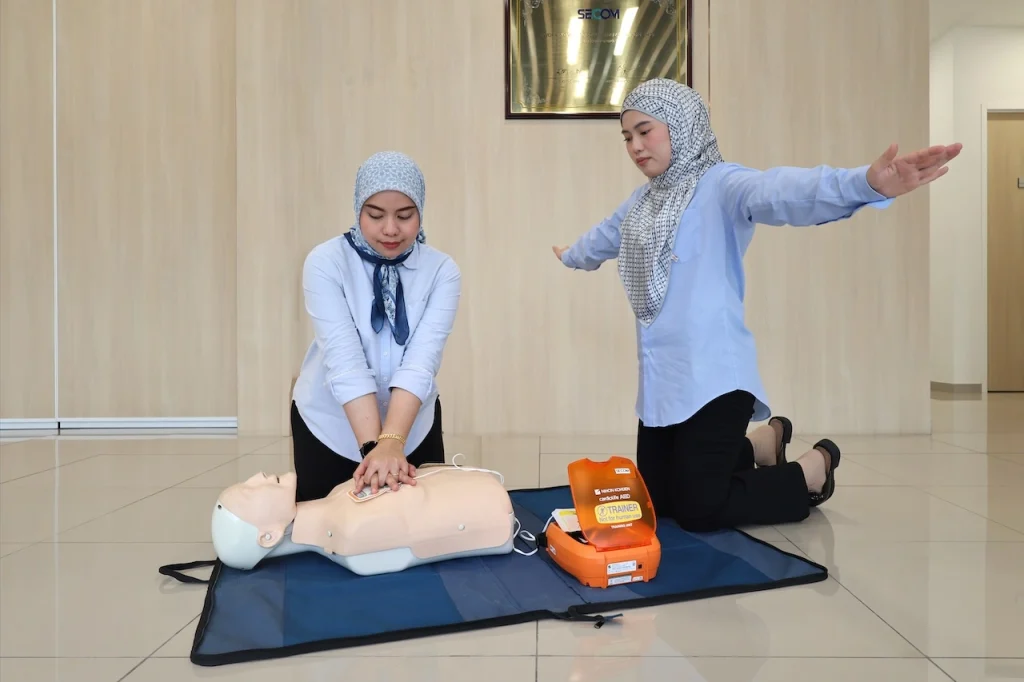 An AED defibrillator is no longer limited to hospitals or medical facilities. Demand for an AED device in Malaysia’s healthcare and commercial environments continues to grow as more organisations strengthen emergency preparedness.
Comparing AED defibrillator types can help businesses choose a device that suits their environment, staff experience and emergency response needs. Smaller workplaces may need compact models, while larger facilities may require AEDs with clearer prompts, durable designs and easier maintenance support across multiple locations.
Why Malaysian Businesses Need the Right AED Type
Corporate lobbies, retail floors, factories and public spaces require emergency equipment that can be used quickly by staff who may not have formal medical training. Unlike hospitals, workplaces often depend on receptionists, security personnel or bystanders to respond first during emergencies.
The right AED can reduce hesitation, simplify response steps and improve readiness across different environments. Choosing incorrectly may mean paying for features that are unnecessary or deploying equipment that is unsuitable for actual workplace risks.
For organisations managing larger facilities, emergency preparedness should also include clear staff responsibilities, visible AED placement, regular checks and response procedures that help people act quickly during an emergency.
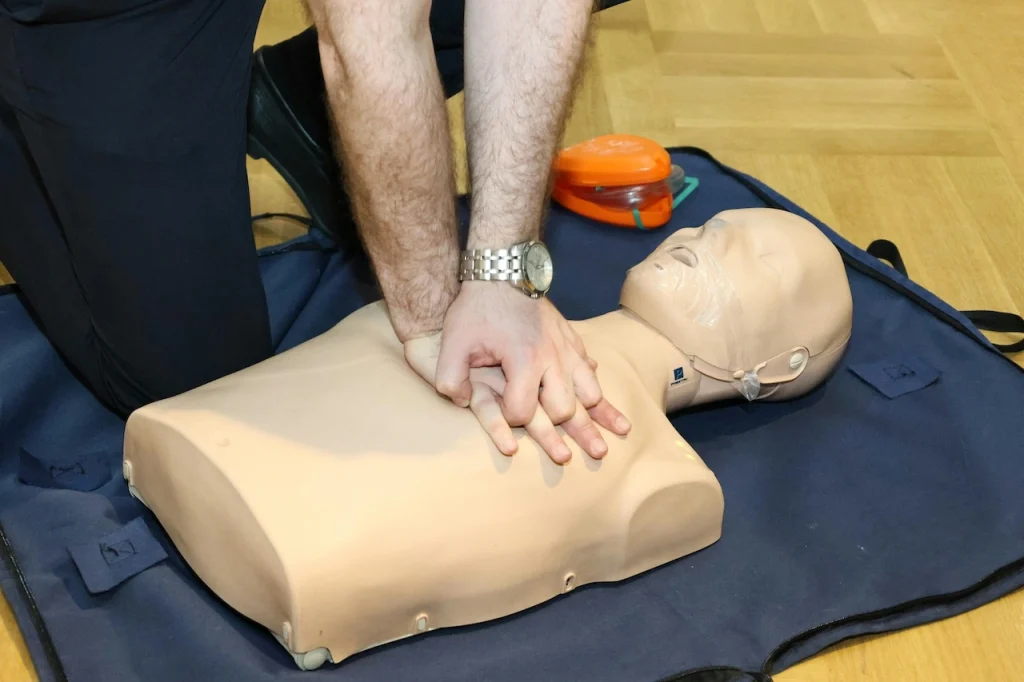
Common AED Defibrillator Types For Malaysian Businesses
Not all AEDs are suited to the same environment. An AED suitable for a small office may not meet the needs of malls, factories or higher-risk facilities. Staff training, building size, emergency response needs and maintenance requirements can all influence the most suitable AED type.
For Malaysian businesses, selecting the right AED involves balancing usability, response speed, durability and long-term maintenance costs. Below are the four common AED categories used in non-medical environments and the situations where each may work best.
1. Semi-Automatic AEDs
Semi-automatic AEDs analyse heart rhythm and instruct users to press a button if a shock is needed. Because they involve a manual step, they are commonly used in workplaces with basic AED first aid training and are preferred for their affordability and greater user control.
Best for: Corporate offices, educational institutions, administrative buildings and workplaces with trained responders
Advantages:
- Lower AED price compared to fully automatic models
- Greater user control over shock delivery
- Suitable for trained workplace responders
- Easier maintenance requirements
Limitations:
- Requires users to press the shock button under pressure
- Slightly slower response if hesitation occurs
2. Fully Automatic AEDs
Fully automatic AEDs analyse heart rhythm and deliver shocks without user input, reducing hesitation and improving response speed. They are commonly recommended for public environments where emergencies may involve untrained bystanders or staff.
Best for: Shopping malls, hotels, airports, stadiums and public buildings
Advantages:
- Faster response with minimal user decision-making
- Easier for untrained bystanders to operate
- Reduces hesitation during emergencies
- Suitable for publicly accessible AED stations
Limitations:
- Higher upfront AED price in Malaysia
- Less manual control for trained responders
3. Professional / ALS-Ready AEDs
Advanced or ALS-ready AEDs include features such as CPR coaching, paediatric capability, incident recording and real-time feedback to support emergency response in higher-risk environments. They are commonly used in facilities with more complex emergency needs or larger populations, including hospitals, clinics and organisations comparing an AED machine for medical facility use.
Best for: Factories, manufacturing plants, industrial facilities, hospitals and large corporate campuses
Advantages:
- Advanced CPR feedback
- Better incident documentation and review
- Paediatric modes available
- Suitable for high-risk workplaces
Limitations:
- Bulkier units
- Higher investment cost
- More servicing requirements
4. Compact / Portable AEDs
Compact AEDs prioritise portability and are smaller, lighter and easier to transport, making them suitable for organisations with multiple sites, vehicle fleets or remote operations. They are commonly used by field teams and businesses with dispersed work locations.
Best for: Company vehicles, guardhouses, remote branches, multi-floor offices and construction sites
Advantages:
- Lightweight design
- Easier transportation
- Suitable for multiple locations
- Longer battery lifespan in some models
Limitations:
- Fewer advanced features
- Compact pads may be harder to apply quickly
Choosing between these AED types ultimately depends on who will use the device, how quickly emergency response is needed and the environment in which it will operate.
AED Defibrillator Types Comparison For Malaysian Businesses
The table below compares common AED types based on environmental suitability, response features and maintenance considerations to help businesses identify the most appropriate option for their workplace needs.
| AED Type | Best Environment | Response Support | CPR Feedback | Paediatric Support | Portability |
| Semi-Automatic AED | Corporate offices and workplaces with trained responders | User-guided shock delivery | Basic support | Usually supported with separate accessories | Standard workplace use |
| Fully Automatic AED | Malls, hotels and public facilities | Automatic shock delivery | Model-dependent support | Available in selected models | Suitable for public access areas |
| Professional / ALS-Ready AED | Factories, industrial sites and larger facilities | Advanced emergency response support | More detailed CPR guidance | Available in selected models | Larger device with more advanced features |
| Compact / Portable AED | Vehicles, guardhouses, remote branches and mobile teams | Simple guided response | Basic support | Model-dependent support | Lightweight and easier to move |
Key Features To Compare When Choosing AED Defibrillator Types
When comparing AED options in Malaysia, businesses should look beyond the initial purchase cost and consider long-term usability, maintenance requirements and how well the device supports workplace emergency response procedures.
The best AED is not always the most advanced model. Instead, businesses should prioritise features that improve accessibility, reliability and ease of use for staff with varying levels of first aid experience.
- Bilingual voice prompts: Guidance in both English and Bahasa Malaysia can help users follow instructions more confidently during emergencies.
- Clear visual instructions: Visual diagrams and flashing indicators may reduce hesitation for first-time users.
- Self-testing alerts: Many AEDs perform automatic diagnostic checks and notify users when maintenance is required.
- Battery and pad expiry indicators: Automated reminders help track replacement schedules, as expired batteries or pads may affect operation.
- Paediatric capability: Facilities visited by children may benefit from AEDs with paediatric support.
- Weather resistance: Outdoor environments or warehouses may require stronger protection against dust and moisture.
Businesses with multiple facilities should also consider how AED checks, staff training and emergency response procedures are managed across all locations. This helps ensure every AED remains accessible, visible and ready for use when needed.
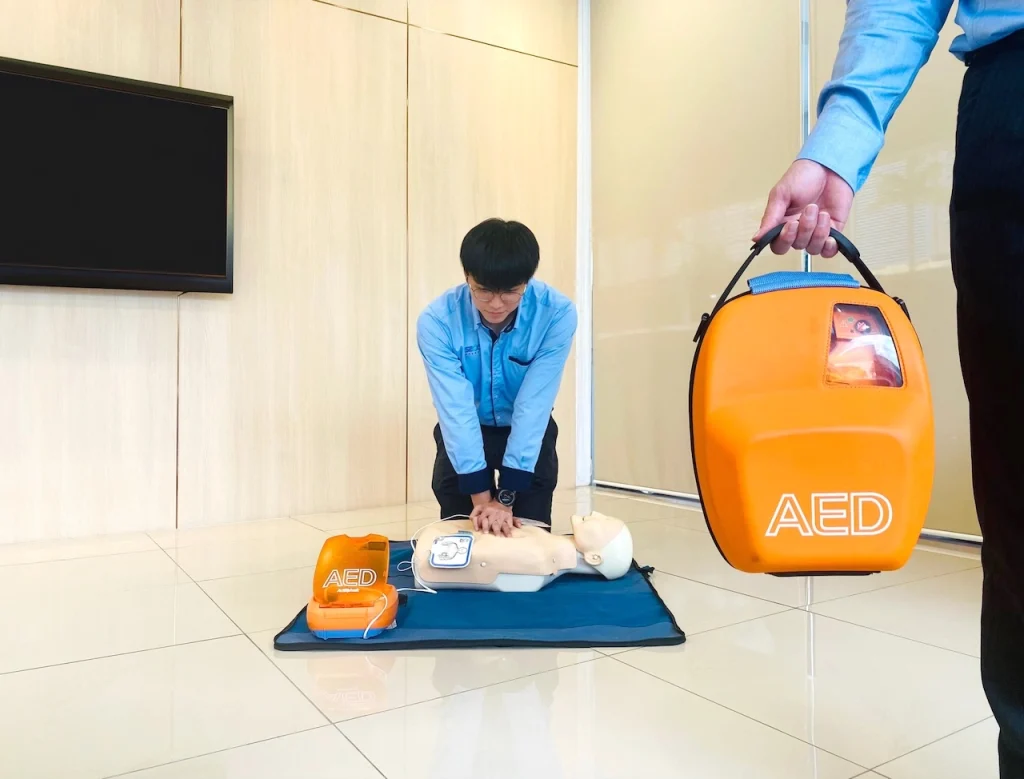
Best AED Locations in Corporate and Public Facilities
An AED is only effective if people can reach it quickly. Placement should be visible, accessible and located near areas where large groups gather or where incidents may be more likely to occur.
Businesses with high visitor traffic may benefit from applying similar principles used in strategic AED placement for workplaces and public facilities to improve emergency accessibility.
- Office buildings: Main lobby, gym, pantry, security counter and server room corridors. AEDs are often most useful near reception areas and shared employee spaces.
- Factories & warehouses: Production floors, canteens, guard houses and loading bays due to physical workloads and larger workforce populations.
- Retail malls & public facilities: Customer service counters, food courts, lift lobbies and car park areas to improve visibility and accessibility.
- Hotels: Reception areas, ballrooms, gyms, event halls and poolside facilities where visitor traffic is higher.
- Schools & campuses: Sports halls, admin offices, canteens and main entrances for easier access during emergencies. Organisations planning AED installation in schools Malaysia should prioritise visibility, accessibility and staff awareness.
- Clinics and healthcare facilities: Waiting areas, treatment areas, reception counters and staff-accessible zones can support faster emergency response. Businesses planning AED installation for clinic should also consider staff training, signage and regular device checks.
Recommended AED Defibrillator Types By Business Environment
The most suitable AED often depends on workforce size, facility layout and emergency risk exposure.
- Small offices with fewer staff: Compact and easy-to-use AEDs that support basic workplace emergency readiness.
- Large corporate offices: AEDs with clear prompts, CPR feedback and paediatric support for workplaces with larger teams or frequent visitors.
- Public facilities: Fully automatic or user-friendly AEDs with simple instructions, multilingual support and durable designs for high-traffic environments.
- Industrial sites: More robust AEDs with stronger durability, clear emergency guidance and features suited to demanding workplace conditions.
- Mobile teams and remote locations: Portable AEDs that are lightweight, easy to transport and practical for vehicles, guardhouses or dispersed work sites.
For larger facilities, selecting an AED often depends not only on workforce size but also on how emergency response is managed across different environments. Corporate safety should include clear AED placement, staff awareness, regular checks and response procedures that help people act quickly during an emergency.
Maintenance Checklist for Corporate AED Managers
An AED must remain ready at all times. Corporate facility managers should create a simple maintenance routine to reduce the risk of device failure during emergencies.
| Task | Recommended Action |
| Monthly self-test | Check device indicators and automated alerts |
| Pad expiry | Track replacement dates in maintenance logs |
| Battery expiry | Set reminders before replacement deadlines |
| Staff training | Conduct regular refresher training so employees remain confident during emergencies. |
| Signage | Keep AED signs visible and unobstructed |
| Incident review | Record and review every AED use |
| Service check | Arrange professional inspection when needed |
Regular maintenance helps ensure readiness while supporting broader workplace safety initiatives.
Frequently Asked Questions About AEDs
1. What is the best AED type for a corporate office in Malaysia?
The most suitable AED for corporate offices often depends on workforce size and staff training levels. Smaller offices with trained first aid personnel may consider semi-automatic AEDs, while larger offices or public-facing workplaces may benefit from fully automatic models that are easier for untrained users.
2. How much does an AED cost in Malaysia?
AED costs in Malaysia can vary depending on the model, features and intended environment. Entry-level AEDs for offices may be more affordable, while advanced models with CPR feedback, paediatric capability and data recording functions generally cost more.
3. Where should AED devices be installed in workplaces?
AEDs should be placed in visible, accessible areas where people can reach them quickly during emergencies. Common locations include office lobbies, factories, gyms, customer service counters and shared employee spaces.
4. How often should an AED be maintained or inspected?
AEDs should undergo regular checks to confirm batteries, pads and indicators remain functional. Businesses should also arrange periodic servicing and refresher training to keep staff prepared.
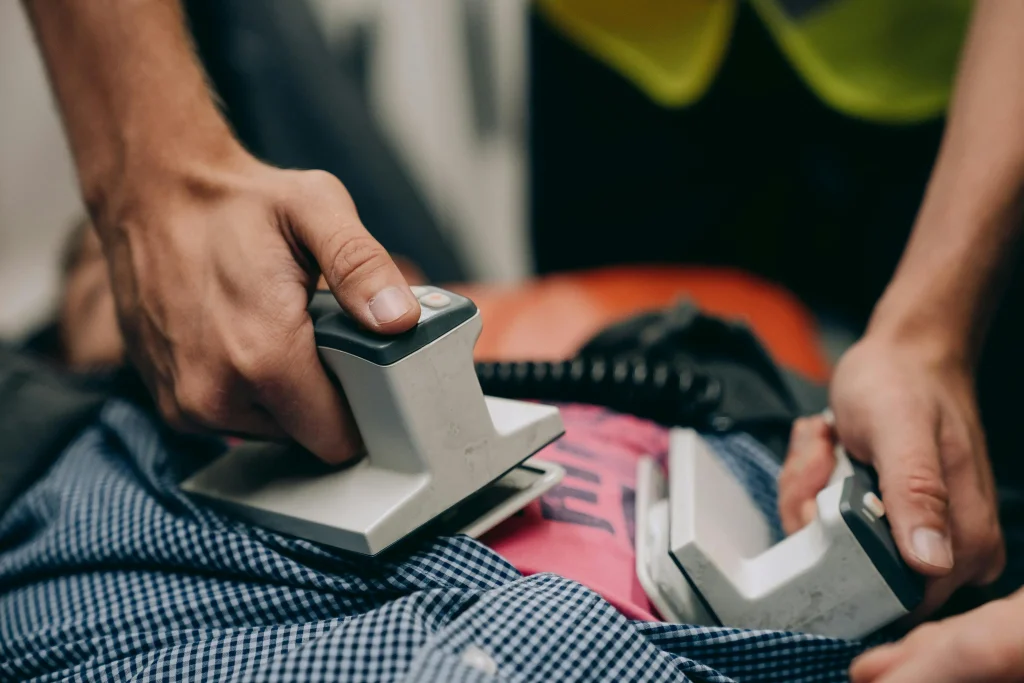
Choosing the Right AED Is About Readiness, Not Just Compliance
Selecting the right AED defibrillator type goes beyond comparing features or price. The most suitable option depends on the workplace environment, staff training, emergency risks and maintenance needs, with larger facilities often requiring more advanced support.
An AED delivers great value when it is accessible, well-maintained and supported by clear emergency procedures. Choosing the right AED defibrillator type helps businesses improve workplace readiness and gives staff greater confidence when responding to cardiac emergencies.
SECOM Malaysia provides integrated safety and security solutions for commercial, industrial and public facilities. Beyond AED solutions in Malaysia, SECOM Malaysia supports businesses with security systems, monitoring services and response-focused solutions that help strengthen workplace safety and operational readiness.
Ready to strengthen workplace emergency preparedness? Contact SECOM Malaysia today for an AED site assessment, model comparison and customised recommendations tailored to your facility needs.

