
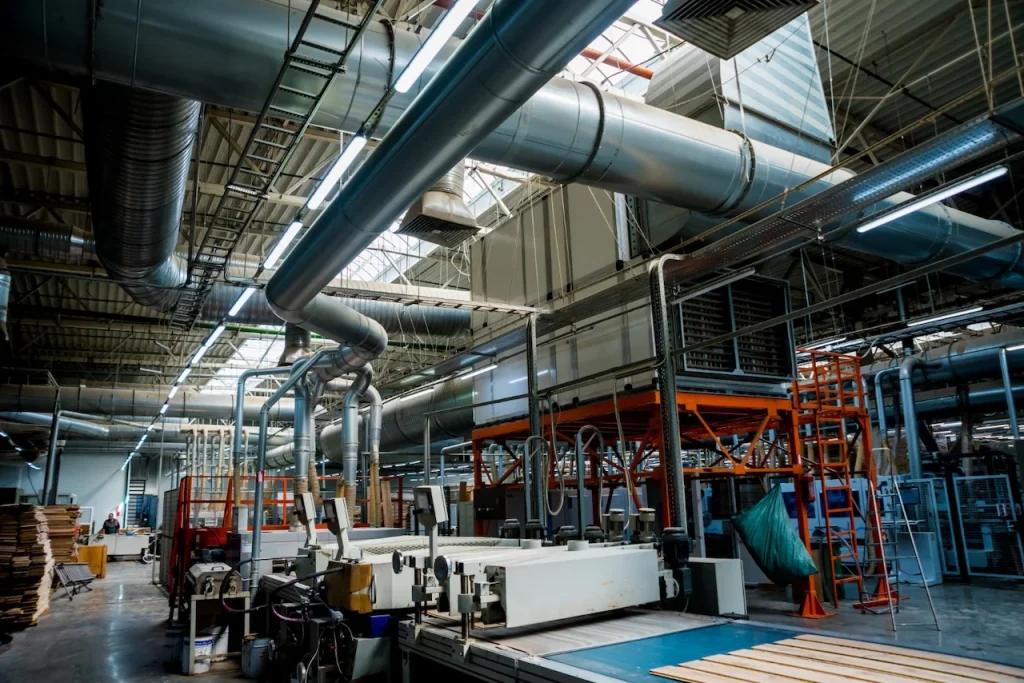
A factory perimeter security system protects the outer boundary of an industrial site by combining fencing, entry control, CCTV, intrusion detection and monitoring, so unauthorised access is detected and delayed before it reaches sensitive operational areas. One factory compound can hold production halls, warehouses, loading bays, equipment yards, staff areas and several vehicle access points, all sitting behind a single boundary line. That boundary is the first line of defence, and protective security guidance treats it as a layer to be planned deliberately.
Why Factories Need Strong Perimeter Security
Factory security should begin at the outer boundary, not at the building entrances. By the time an intruder reaches a production floor or a warehouse shutter, most of the chance to deter, detect and delay has passed. Strong perimeter protection keeps raw materials, machinery and finished goods behind a controlled line, cuts after-hours intrusion risk, improves visibility across a wide compound and brings vehicle and contractor movement under one managed process. The result is safer operations and less disruption from theft or vandalism. Malaysian employers must also take reasonably practicable steps to protect people at their workplace.
Common Perimeter Security Risks In Industrial Sites
Most perimeter incidents at industrial sites trace back to a small set of recurring gaps:
- Fence climbing or boundary breaches along quieter stretches
- Unauthorised vehicle entry at main or service gates
- Tailgating behind an authorised vehicle or staff member
- Theft of materials, tools, scrap and portable equipment
- Vandalism or tampering with external assets
- Suspicious movement near loading bays and storage yards
- Blind spots across large outdoor areas
- After-hours break-in attempts
- Unverified contractors or visitors in restricted zones
Key Components Of A Factory Perimeter Security System
A perimeter system works in layers. Boundary protection deters and delays entry through perimeter fencing and electric fencing. Entry control manages vehicles, staff and visitors at the gate using barrier gates and access control systems. Threat detection identifies suspicious activity early through intrusion detection and perimeter sensors, while CCTV surveillance provides the visual verification that confirms what an alert actually is. Monitoring turns that alert into action, and response support puts guards and clear procedures on the ground. Layout matters as much as hardware: international guidance on crime prevention through environmental design shows how boundaries, sightlines and movement routes can be shaped to discourage intrusion.
How CCTV And Remote Monitoring Improve Site Visibility
CCTV gives a large compound the continuous coverage that patrols alone cannot sustain. Cameras at main gates, side entrances, loading bays and vehicle yards watch the points where people and goods cross the boundary, and fence lines and outdoor storage areas can be checked without walking the full perimeter. Footage also verifies whether an alarm is a real event, which avoids wasted call-outs and speeds up genuine ones, and recorded video supports later investigation. Coverage is most reliable when cameras follow recognised application guidelines for video surveillance design rather than being fitted wherever mounting is easiest, and when remote monitoring sits behind the screens.
Why Access Control And Barrier Gates Matter
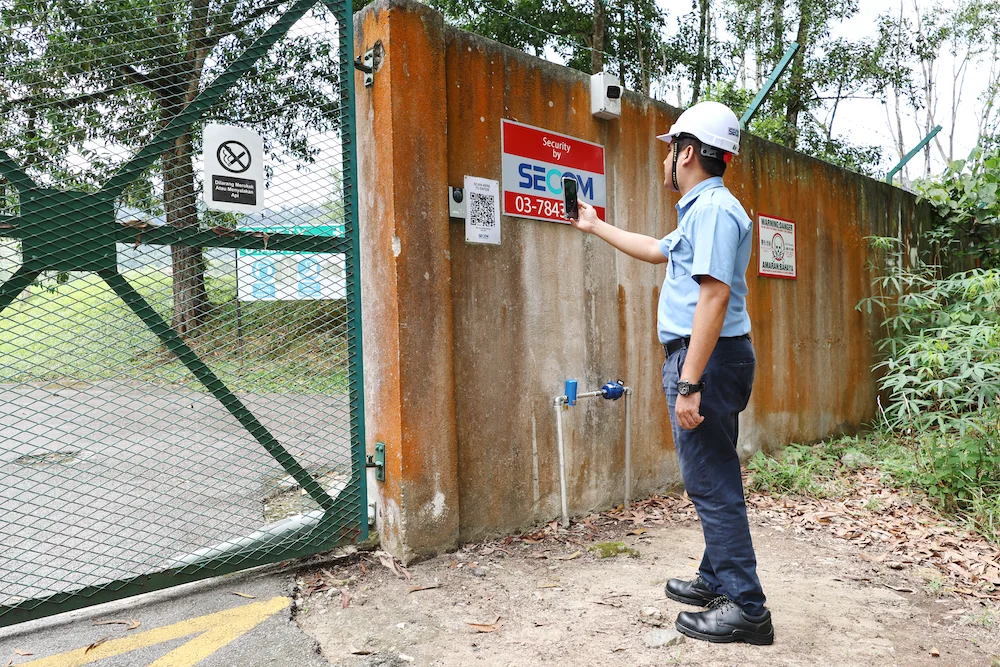
Perimeter fencing decides where people can cross a boundary. Access control decides who may. Staff entry and exit, contractor and vendor access, visitor movement and delivery vehicles can each be routed through their own authorised path, and restricted zones such as warehouses, production areas and storage yards stay separated from general site traffic. Barrier gates apply the same discipline to vehicles at the guardhouse, and public safety guidance on selecting active vehicle barriers stresses matching the barrier to the site and the level of restricted access needed. Access records add accountability, so the site is not relying on manual checks alone.
How Intrusion Detection And Alarm Systems Support After-Hours Protection
Risk changes shape when production slows and the site empties. Intrusion detection covers that window with motion detectors, door and window sensors, perimeter sensors and glass break sensors feeding an alarm system, so unusual activity is flagged as it happens rather than found the next morning. Alarm monitoring and video verification confirm the signal, and an agreed escalation procedure settles who responds and how quickly. International requirements for intrusion and hold-up alarm systems set out how these systems should be specified and graded, a useful reference when comparing options. Handled this way, detection becomes an early warning tool.
Best Practices For Factory Perimeter Security
Practical habits that keep a perimeter working:
- Secure every vehicle and pedestrian entry point, service gates included
- Place CCTV at gates, fence lines and loading areas
- Control contractor and visitor access with written procedures
- Protect outdoor storage and high-value equipment zones
- Review compound blind spots regularly
- Connect alarms and intrusion detection to monitoring support
- Maintain fencing, barriers, cameras and sensors on a schedule
- Separate public, staff, vehicle and restricted routes
- Align on-site guards with escalation procedures
What To Consider Before Choosing A Factory Perimeter Security System
Comparing perimeter security options starts with the site itself:
- Factory layout and perimeter length
- Vehicle gates and pedestrian entrances in use
- Existing fencing, CCTV and alarm coverage
- Outdoor storage and loading bay risks
- Operating hours and after-hours needs
- Contractor, vendor and visitor movement
- Level of monitoring and response required
- Integration with existing security systems
- Scalability for future site expansion
- Maintenance and support requirements
How SECOM Malaysia Supports Industrial Site Security
SECOM Malaysia is a total security solutions provider that supports organisations with integrated physical security rather than standalone hardware. For manufacturing and industrial sites, SECOM Malaysia delivers factory perimeter security systems built around CCTV surveillance, access control systems, barrier gates and entry systems, electric fencing, alarm systems and intrusion detection, backed by remote monitoring, central monitoring support and, where required, security personnel and emergency response services. SECOM Malaysia helps factory and plant teams assess perimeter risks, secure key access points and build layered protection for industrial operations.
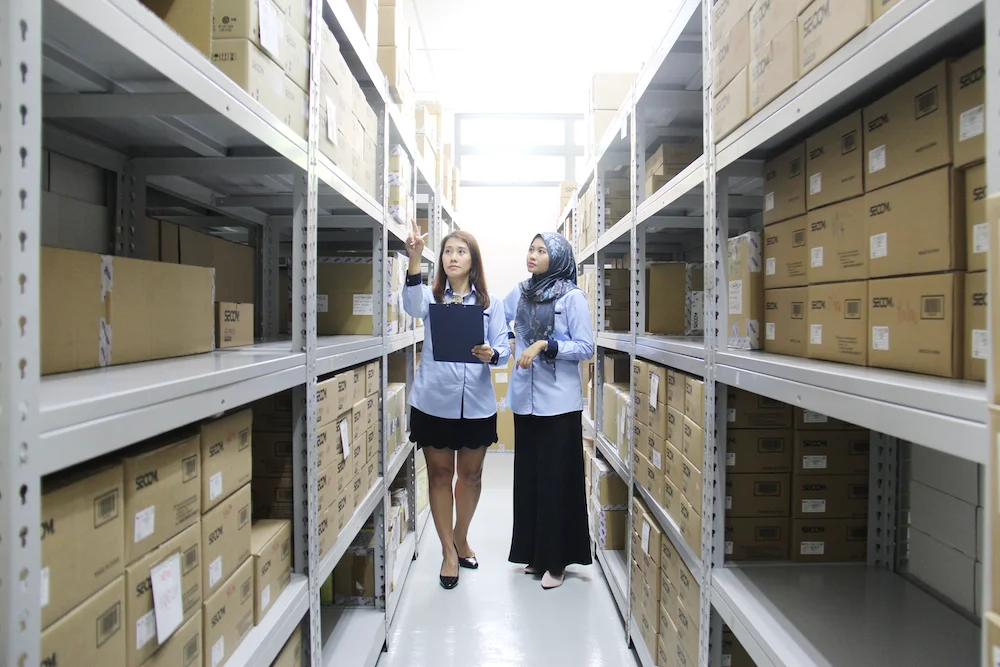
Build A Stronger First Line Of Defence For Your Factory
Factory perimeter security is not a single product. It is a layered approach across fencing, access control, CCTV, alarms, intrusion detection, monitoring and response procedures, planned around how a specific site operates. Facilities that get those layers working together deal with problems at the boundary, where they are easiest to contain, instead of inside a warehouse.
Protect your industrial site from unauthorised access, theft and after-hours risks with a reliable factory perimeter security system. Contact SECOM Malaysia to explore integrated perimeter security solutions for factories and industrial facilities.
FAQs
What is a factory perimeter security system?
A factory perimeter security system protects the outer boundary of an industrial site using solutions such as fencing, CCTV, access control, alarms, intrusion detection and monitoring.
Why is perimeter security important for factories?
Perimeter security helps factories prevent unauthorised entry, detect suspicious activity early and protect equipment, materials, staff and daily operations.
What systems are used for factory perimeter security?
Factories can use CCTV, electric fencing, barrier gates, access control, alarm systems, intrusion detection, remote monitoring and security personnel.
Can perimeter security systems work with remote monitoring?
Yes. Perimeter security systems can connect with remote or central monitoring to support faster alert verification and incident response.
Which areas of a factory perimeter need the most attention?
Main and service gates, pedestrian entrances, fence lines, loading bays, vehicle yards and outdoor storage areas usually carry the highest risk.

