
How Intrusion Detection Systems Help Banks Protect ATMs, Vaults And Branches
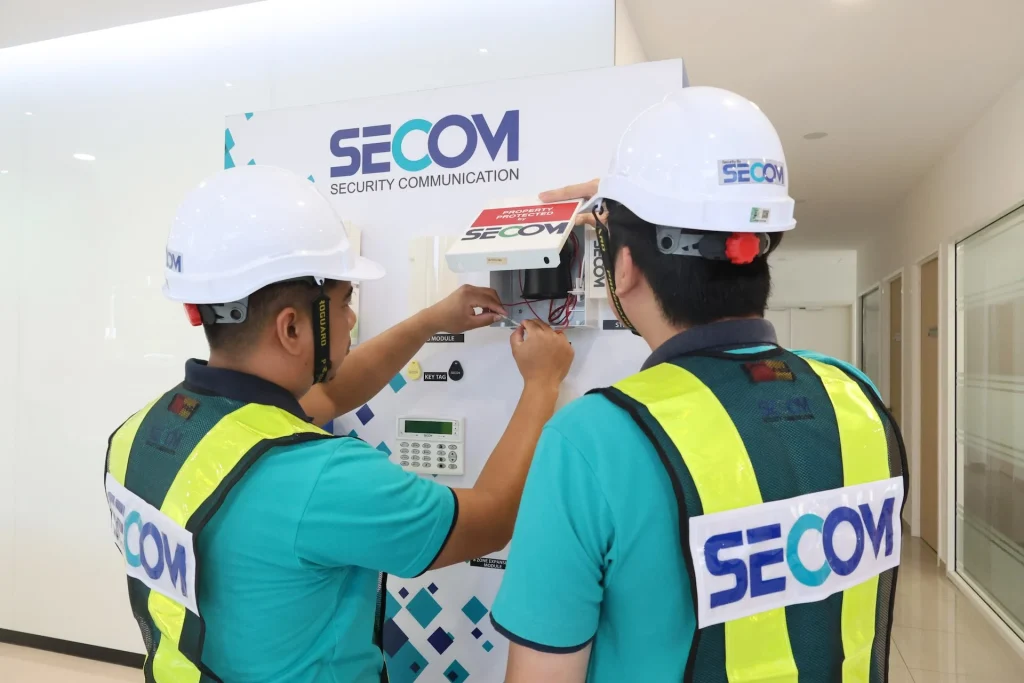
Banks manage high-risk environments where security must protect people, cash, assets, information and restricted areas. ATMs, vaults, teller counters, cash rooms, server rooms and branch entrances all carry different security risks. Unauthorised access, suspicious movement, tampering and forced entry attempts can happen quickly if a bank does not have the right detection measures in place.
An intrusion detection system for banks helps detect unauthorised access, movement in restricted zones and possible forced entry before an incident escalates. It gives security teams an early warning so they can verify the situation and respond more effectively.
Banks need a layered security approach. This means combining intrusion detection with CCTV, access control, alarm monitoring, central monitoring and response support to strengthen protection across the entire branch environment.
Why Banks Need Intrusion Detection Systems
Banks cannot rely on locks, cameras or guards alone. Each security measure plays an important role, but intrusion detection provides early warning when an unauthorised activity occurs.
A well-planned intrusion detection system can help banks identify:
- Unauthorised access after operating hours
- Forced entry attempts at doors, windows or restricted rooms
- Suspicious movement in sensitive areas
- Tampering around ATMs or service access points
- Break-ins at branch premises
- Unexpected access to back-office or server areas
This makes intrusion detection especially useful for banking environments where fast alerting and incident verification are important.

How Intrusion Detection Systems Protect ATMs
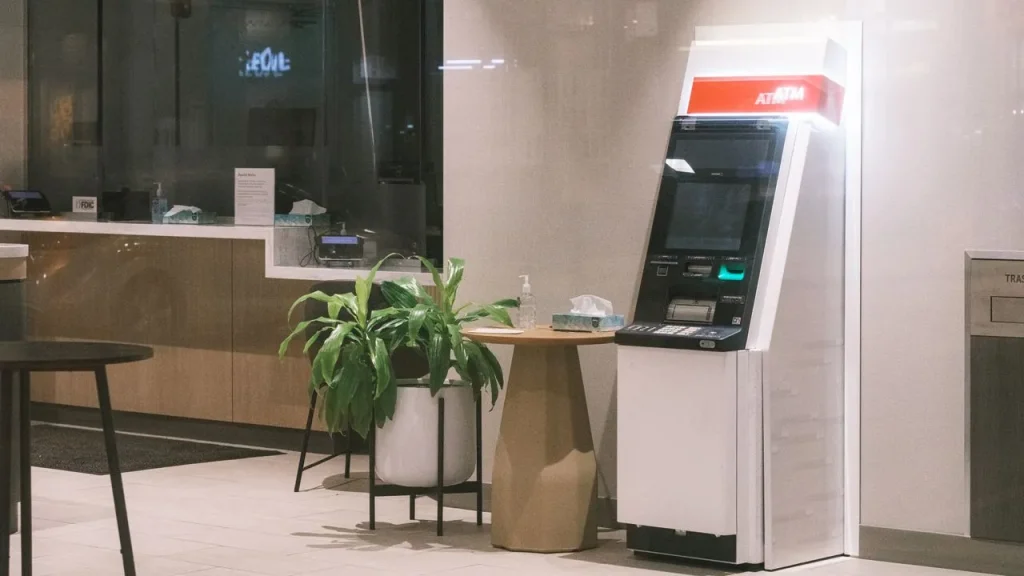
ATMs are high-risk touchpoints because they are often accessible outside regular banking hours. They may also have service panels, cash access points and surrounding areas that require careful monitoring.
Detecting Suspicious Activity Around ATM Areas
Intrusion detection systems can use motion sensors, vibration sensors, door contacts and alarm triggers to detect unusual activity around ATM rooms, access panels or back-end service points. These alerts can help security teams identify possible tampering, unauthorised entry or forced access attempts.
Supporting Faster Incident Verification
When intrusion detection works with CCTV and monitoring systems, security teams can verify alerts more effectively. Instead of relying only on an alarm signal, they can check camera footage, review the location of the trigger and decide on the right response.
How Intrusion Detection Systems Protect Vaults And Cash Handling Areas
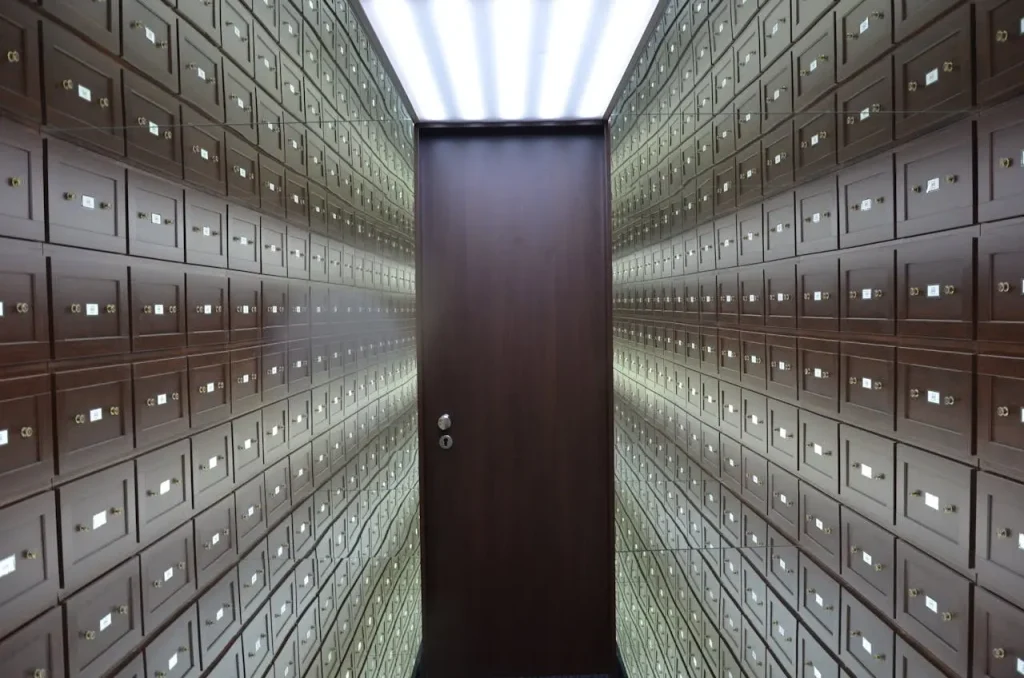
Vaults, safes, teller zones and cash rooms are among the most sensitive areas in a bank. These spaces require stronger security layers because they support daily cash handling and asset protection.
Securing Restricted Banking Areas
Intrusion detection can help identify door breaches, forced access attempts or unauthorised movement in protected zones. Sensors can be placed at strategic access points so that security teams receive alerts when restricted areas are accessed unexpectedly.
Reducing Security Blind Spots
Manual patrols and standard surveillance may not cover every point at all times. Intrusion detection helps reduce blind spots by monitoring doors, windows, partitions, corridors and rooms that may not always be visible through routine checks.
How Intrusion Detection Systems Protect Bank Branches
Branch security must cover entrances, exits, windows, ATM areas, staff-only rooms, server rooms, cash rooms and back-office spaces. Each area has different risks, so banks should plan intrusion detection based on site layout and operational needs.
| Bank Area | Possible Security Risk | Intrusion Detection Role |
| Main Entrance | Forced entry after hours | Triggers alerts during unauthorised access |
| ATM Area | Tampering or suspicious movement | Detects activity around sensitive access points |
| Vault Room | Unauthorised entry | Adds protection to restricted zones |
| Cash Room | Internal or external security risks | Supports controlled monitoring |
| Server Room | Access to critical systems | Detects entry into sensitive infrastructure areas |
This type of structured planning also applies to other high-security environments, such as data center remote monitoring system planning, hospital central monitoring system deployment and critical infrastructure protection in Malaysia requirements.
Key Components Of A Bank Intrusion Detection System
A bank intrusion detection system usually combines different devices and monitoring functions. The right setup depends on the premises, access points and risk areas.
Common components include:
- Motion detectors to identify movement in protected zones
- Door and window contact sensors to detect unauthorised opening
- Vibration or shock sensors to detect impact or tampering
- Glass break sensors for windows and glass panels
- Panic buttons for staff emergency alerts
- Alarm control panels to manage signals from connected devices
- CCTV integration for visual verification
- Remote or central monitoring support for alert management
These components should work together as part of a practical system that is easy for authorised teams to manage.
Why Integration Matters For Bank Security
Intrusion detection becomes stronger when it connects with other security systems. CCTV surveillance can help verify what caused an alert. Access control can manage who enters restricted areas. Alarm monitoring and central monitoring systems can support faster alert handling and escalation.
Integrated security is also important across other industries. For example, schools may require university campus security solutions, retailers may need a shop security system, logistics sites may use a cargo area surveillance system, and industrial sites may require a factory perimeter security system. Although each environment has different risks, the principle remains the same: security systems work better when they are planned as part of a wider ecosystem.
For banks, integration can support:
- CCTV surveillance
- Access control systems
- Alarm monitoring
- Remote monitoring systems
- Security response protocols
- Central monitoring systems
What Banks Should Consider Before Choosing A System
Before choosing an intrusion detection system, banks should assess their operational needs and physical layout. A system should match the security risks of the site, not follow a one-size-fits-all approach.
Key considerations include:
- Size and layout of the branch
- Number of ATMs and restricted areas
- Operating hours and after-hours access
- Existing CCTV or access control systems
- Monitoring and response requirements
- Scalability for multiple branches
- Maintenance and support needs
A proper assessment helps banks create a system that supports daily operations while strengthening protection across sensitive areas.
How SECOM Malaysia Supports Bank Security
SECOM Malaysia is a security solutions provider that supports businesses with integrated physical security solutions. For banking environments, SECOM Malaysia can help plan layered protection based on site requirements, risk areas and operational needs.
Relevant solutions may include an intrusion detection system for banks, CCTV systems, access control systems, alarm monitoring, central monitoring support and security personnel or response-related services where relevant. By combining these solutions, SECOM Malaysia helps banks improve visibility, detect risks earlier and protect branches, ATMs and restricted areas more effectively.
Conclusion: Strengthen Bank Security With Better Intrusion Detection
Banks need proactive threat detection across ATMs, vaults, cash handling rooms, server rooms and branch premises. Intrusion detection systems help identify risks early, reduce blind spots and support faster response when suspicious activity occurs.
Protect your banking facilities with a reliable intrusion detection system. Contact SECOM Malaysia to explore integrated bank security solutions for your branches, ATMs and restricted areas.
FAQs
What is an intrusion detection system for banks?
An intrusion detection system for banks detects unauthorised entry, suspicious movement or forced access in sensitive banking areas.
Where should banks install intrusion detection systems?
Banks should consider ATMs, vaults, cash rooms, entrances, back offices, server rooms and other restricted areas.
Can intrusion detection systems work with CCTV?
Yes. Intrusion detection systems can work with CCTV to help security teams verify alerts and respond more effectively.
Why is intrusion detection important for bank branches?
It helps banks detect security threats early, reduce blind spots and strengthen protection for people, assets and operations.

