
Key KPIs for Central Monitoring Performance: Response Time, False Alarm Rates, and Uptime
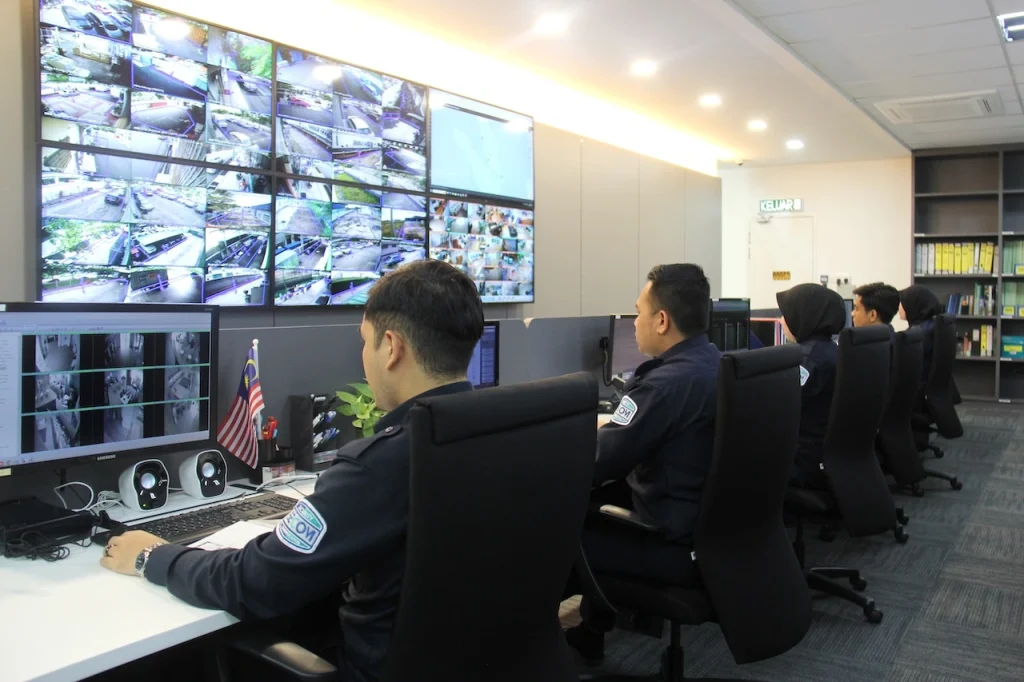
A central station monitoring system helps businesses keep watch over alarms, CCTV feeds, and other critical events around the clock. Instead of relying only on on-site staff, it allows incidents to be detected, reviewed, and escalated quickly through a connected remote monitoring system. For companies that depend on continuity, safety, and fast incident handling, this has become an essential part of any modern security system Malaysia businesses can rely on.
However, technology alone does not guarantee effective protection. A monitoring setup is only as strong as the performance behind it. That is why businesses should look beyond general promises like 24/7 coverage and focus on measurable KPIs. In central monitoring, the three most important are response time, false alarm rates, and uptime. Together, these indicators show whether a system can support safety, compliance, and business continuity when it matters most.
Why KPIs Matter in Central Monitoring
Many providers promise 24/7 monitoring, but that phrase alone does not tell you how well the service actually performs. Without clear metrics, it is difficult to know whether alerts are being handled quickly, accurately, and consistently. For businesses comparing a central station monitoring system provider, KPIs turn broad claims into measurable standards.
Turning “24/7 monitoring” into measurable performance
KPIs help decision-makers assess whether a provider can meet real operational demands. They also make it easier to compare providers on more than pricing alone. When these measures are written into service level agreements, businesses have a clearer basis for accountability, reporting, and continuous improvement across a remote monitoring system.
How KPIs protect people, assets, and reputation
Strong KPI performance directly affects business outcomes.
- Faster response times can reduce losses during an incident.
- Lower false alarm rates help avoid unnecessary disruption and maintain better relationships with staff and authorities.
- High uptime reduces the risk of blind spots in monitoring coverage.
For example, if an intruder alarm is triggered after hours, even a short delay in response can increase the chances of theft, damage, or escalation, which can weaken confidence in a broader security system Malaysia strategy.
KPI #1 – Response Time
In central monitoring, response time is one of the clearest indicators of whether the system is working as it should. It shows how quickly an event is received, reviewed, and acted on, which can make a real difference during security incidents.
What “response time” really means in central monitoring
Response time should be understood in stages, not as a single number. First, there is the time between the alarm or event being triggered and the operator receiving it through the monitoring platform. Next, there is the time from the operator receiving the alert to taking the first action, such as verifying the event through CCTV, contacting the site, or escalating it based on the response procedure.
This is different from on-site physical response time, which refers to how long it takes for guards, emergency responders, or police to arrive from a central station monitoring system workflow.
How to measure and set response time targets
Businesses should ask for clear response time targets based on the type of alarm. Critical alerts such as intrusion, panic, or fire alarms should usually be handled much faster than lower-priority system faults or technical notifications.
These response times should be logged automatically by central monitoring software so they can be reviewed for audits, SLA tracking, and performance reporting. Segmenting targets by alarm category also gives a more realistic picture of service quality.
Questions to ask your central monitoring provider
When evaluating a provider, it helps to ask practical questions that go beyond general claims. For example:
- What is the average and maximum response time for critical alarms?
- Can the provider share monthly reports with response time data?
- How are simultaneous alarms prioritised during busy periods?
Clear answers to these questions can reveal whether a provider has the process discipline and reporting transparency needed for reliable monitoring.
KPI #2 – False Alarm Rates
A high number of false alarms can undermine the effectiveness of any monitoring setup. When alerts are triggered too often without a real threat, operators and site teams may become less responsive over time. This alarm fatigue can slow decision-making, waste resources, and create unnecessary disruption for the business.
Why false alarms are more dangerous than they look
False alarms do more than cause inconvenience. They can lead to repeated callouts, put strain on relationships with authorities, and in some cases even result in penalties. Over time, frequent false alarms can also reduce confidence in the system itself, making genuine incidents harder to manage with urgency in any security system Malaysia businesses depend on.
Measuring false alarm rates in a practical way
A simple way to track this KPI is to measure false alarms as a percentage of total alarms over a set period. However, the data should not stop at one overall number. It is useful to categorise alerts by cause, such as genuine incidents, technical faults, user error, or environmental triggers. Businesses should also review false alarm rates by site or device type, since one problematic location or sensor can distort overall performance within a remote monitoring system.
Strategies to reduce false alarm rates
The goal is not only to lower unnecessary alerts, but also to improve trust in the monitoring process so genuine incidents receive the right level of attention.
- Improve sensor selection and placement so devices are less likely to be triggered by non-threatening activity.
- Carry out regular maintenance to identify faults before they lead to repeated false alarms.
- Train users on proper arming and disarming procedures, as well as the correct use of panic buttons and other alarm features.
- Use video or audio verification to help operators confirm whether an alert is genuine before escalating it to guards or authorities.
KPI #3 – System Uptime and Availability
Even the most advanced monitoring setup can fail if it is not consistently available. Uptime measures how reliably a system stays operational, ensuring that alarms, video feeds, and communication channels remain active when needed.
What uptime means for central monitoring
Uptime is typically defined as the percentage of time that the monitoring platform and its communication channels are fully operational. This includes not only the central system, but also site connectivity such as network lines, devices, and backup communication paths. If any part of this chain fails, monitoring coverage may be affected.
Setting realistic uptime targets
Uptime targets are often expressed as percentages, such as 99% or 99.9%, but even small differences can translate into noticeable downtime over a month. Businesses should also distinguish between systems that operate only during business hours and those that require full 24/7 availability, especially for higher-risk environments where continuous monitoring is critical under a central station monitoring system.
How providers achieve high uptime
Maintaining high uptime requires a combination of system design, redundancy, and proactive monitoring. Providers typically focus on multiple layers of reliability to minimise disruptions and ensure continuous service.
- Use redundant servers and backup communication paths, such as dual SIM or combined IP and cellular connections.
- Implement disaster recovery plans to restore operations quickly in case of system failure.
- Schedule maintenance windows carefully and communicate them clearly to clients.
- Monitor system health continuously and trigger alerts when connectivity to a site is lost.
Additional KPIs to Consider Beyond the Big Three
While response time, false alarm rates, and uptime form the foundation of performance measurement, they do not provide the full picture. Additional KPIs can help businesses better understand how well a monitoring operation performs in real-world scenarios, especially when it comes to decision-making, reporting, and overall service quality.
Operator accuracy and escalation quality
Operator performance plays a critical role in how incidents are handled. Even if alerts are received quickly, the outcome can still be affected by whether the operator takes the right first action and follows the correct escalation path. This may include contacting the site, verifying the event, dispatching guards, notifying emergency services, or informing management.
Reporting, analytics, and transparency
Strong reporting practices make KPI tracking more useful over time. Businesses should not only receive regular performance reports, but also be able to review incident histories, alarm trends, and site-by-site patterns. This level of visibility helps management identify recurring issues, compare performance across locations, and make better-informed decisions about security improvements within a remote monitoring system.
Customer satisfaction and incident outcomes
Performance should also be judged by the outcomes it creates. Feedback from clients after major incidents can reveal whether the monitoring process was handled well in practice, while resolution time shows how long it takes for an issue to move from detection to closure.
Together, these measures add context to the core KPIs and help businesses build a more complete view of monitoring performance.
Frequently Asked Questions (FAQs)
1. What is the most important KPI in central monitoring?
Response time is often the most critical, as it directly affects how quickly incidents are handled. However, it should be evaluated together with false alarm rates and uptime for a complete view.
2. What is a good response time for alarm monitoring?
This depends on the alarm type, but critical alarms are typically expected to be handled within seconds, while non-critical alerts may allow longer response times.
3. Why are false alarm rates important?
High false alarm rates can lead to alarm fatigue, wasted resources, and slower responses to real incidents. Keeping them low helps maintain system reliability.
4. What does uptime mean in a monitoring system?
Uptime refers to how consistently the monitoring system and its communication channels remain operational, ensuring continuous protection without gaps.
Choosing a Central Monitoring Partner in Malaysia
Once KPIs are clearly defined, the next step is using them to evaluate providers more effectively. This helps businesses move beyond general claims and focus on whether a partner can deliver consistent, measurable performance through a reliable central station monitoring system.
What to ask when comparing providers
When speaking with potential providers, businesses should ask how response time, false alarm rates, and uptime are tracked, reported, and reviewed. It is also useful to request a sample performance report to see how clearly the data is presented and whether it offers enough detail for management review.
Questions about redundancy are equally important, as they show how the provider plans to maintain uptime if a server, network line, or communication path fails.
How SECOM Malaysia can help
SECOM Malaysia supports businesses with central monitoring services backed by defined performance standards and reporting. By integrating alarms, CCTV, and other critical systems into a single monitoring platform, businesses can gain better visibility and more consistent incident handling as part of a stronger security system Malaysia strategy.
Businesses reviewing providers may also want to assess how their current setup compares with a more advanced alarm remote monitoring system approach, especially when integrating alerts with CCTV installation Malaysia solutions across commercial sites.
While some readers may also be familiar with house CCTV use cases, commercial monitoring requires clearer KPIs, structured escalation, and stronger reporting. Ultimately, central monitoring delivers the most value when performance is measured and managed through clear KPIs.

