
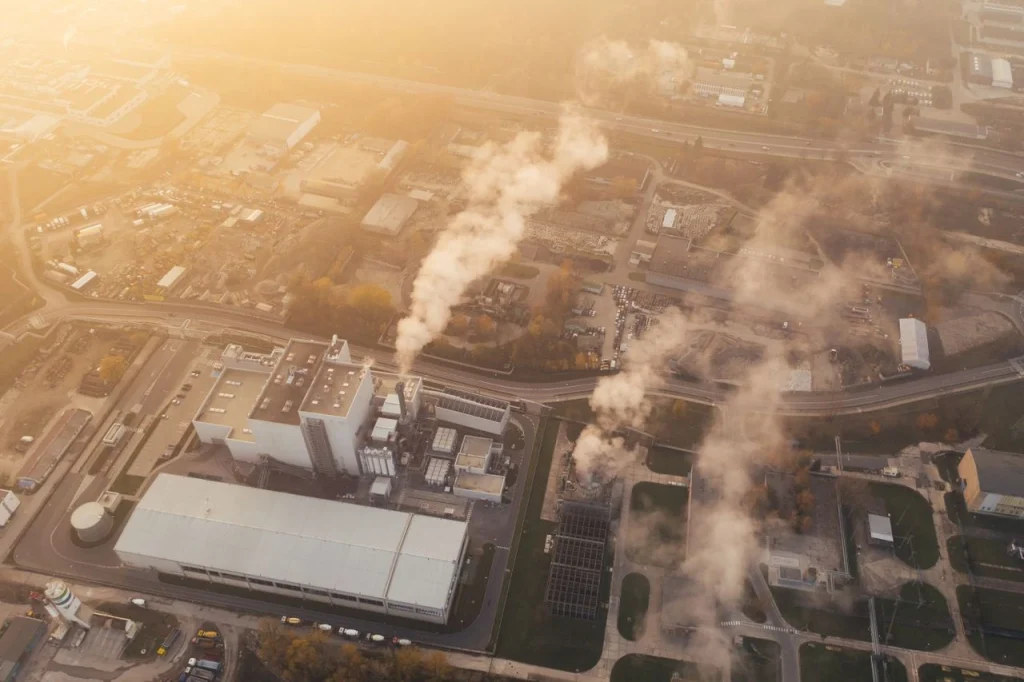
A real time factory monitoring system is the foundation of a modern industrial security system, connecting CCTV, alarms, sensors and access control so factory teams can watch key areas, verify alerts and respond to incidents as they happen. Industrial facilities are rarely simple: a single site can include production floors, warehouses, loading bays, vehicle entrances, staff areas, outdoor compounds and restricted rooms. Keeping all of these areas visible is difficult with manual patrols alone, which is why more Malaysian factories are building a proper factory security system around real time monitoring.
Why Factories Need Real Time Monitoring Systems
Factories cannot rely only on manual patrols or standalone cameras, especially across large compounds or multiple shifts. Wide sites often have several access points and valuable machinery to protect, plus staff, vendors and contractors moving through daily. After-hours periods carry their own risks, and blind spots around warehouses and loading bays let issues go unnoticed. Malaysian workplace safety law also requires employers to take reasonably practicable steps to protect people at their workplace. Faster detection and verification helps protect daily operations from disruption.
Common Security Visibility Challenges In Industrial Sites
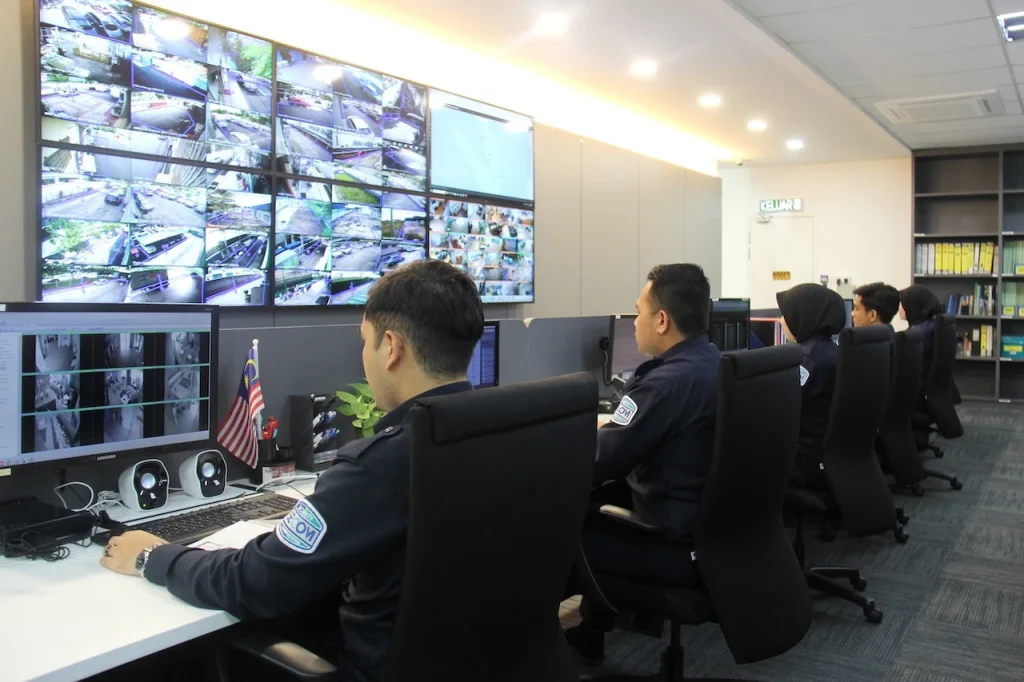
Many industrial sites struggle with limited visibility across large compounds, causing delayed responses to suspicious activity. Side gates and service entrances are common points of unauthorised access, while loading bays, vehicle yards and outdoor storage areas often have blind spots. Restricted-zone access is hard to track without the right tools, and non-operating hours add risk. These are the same gaps that a proper plant security system or factory security system is designed to close, especially across multiple facilities without one centralised monitoring view.
Key Components Of A Real Time Factory Monitoring System
A real time factory monitoring system typically combines IP CCTV cameras for manufacturing plant video surveillance, sensors and an intrusion alarm system that flag unusual activity, and access control, including biometric access control and a vehicle access control system, at restricted areas and vehicle gates. A centralised platform reviews live feeds and alerts, while barrier gates and remote monitoring extend coverage, reflecting recognised physical security measures for protecting people and assets. This lets security personnel watch the entire site, on-site or from an off-site monitoring centre.
How Real Time Monitoring Improves Factory Security Visibility
An industrial surveillance system like this gives factory teams a clearer view of entrances, exits and perimeter areas. When an alert triggers, CCTV footage lets security personnel verify what is happening before deciding how to respond, rather than relying on guesswork. Connected alarms and intrusion systems flag unusual activity as it occurs, reducing dependence on manual checks. This improves coordination between monitoring teams and guards, and strengthens after-hours protection.
Where Factories Should Use Real Time Monitoring
Factory managers planning coverage for a factory perimeter security system should prioritise:
- Main gates and guardhouses
- Pedestrian entrances
- Vehicle access points
- Loading bays
- Warehouses and storage areas
- Production floors
- Outdoor yards
- Perimeter fences
- Staff-only areas
- Server or control rooms
- High-value equipment zones
How Monitoring Works With CCTV, Alarms And Access Control
A real time factory monitoring system works best when connected to other security layers rather than used alone. This includes CCTV, alarm and intrusion detection systems, access control and electric fencing, which together extend industrial perimeter protection and perimeter intrusion detection across the site. Remote monitoring and central monitoring systems let these components be observed from a single point, while security guards and response teams act on what the system detects. Bringing these layers together under a recognised international security management system standard turns monitoring into a complete industrial security ecosystem, not a standalone solution.
Benefits Of A Real Time Factory Monitoring System
A well-implemented system is regarded as one of the best security systems for factories in Malaysia, offering:
- Improved visibility across the factory site
- Earlier detection of suspicious activity
- Faster incident verification
- Fewer blind spots in high-risk areas
- Stronger after-hours monitoring
- Better protection for machinery, stock and equipment
- Safer movement for staff and contractors
- Improved coordination between security teams
- Better incident review and reporting
- Stronger protection for business continuity
What To Consider Before Choosing A Factory Monitoring System
Comparing the top industrial security solutions in Malaysia starts with considering:
- Factory size and site layout
- Number of entrances, exits and vehicle gates
- Existing CCTV, alarm and access control systems
- High-risk areas and blind spots
- Operating hours and shift patterns
- Contractor, vendor and delivery access
- Need for remote or central monitoring
- Integration with on-site security personnel
- Scalability for future expansion
- Maintenance and support requirements
Best Practices For Real Time Factory Monitoring
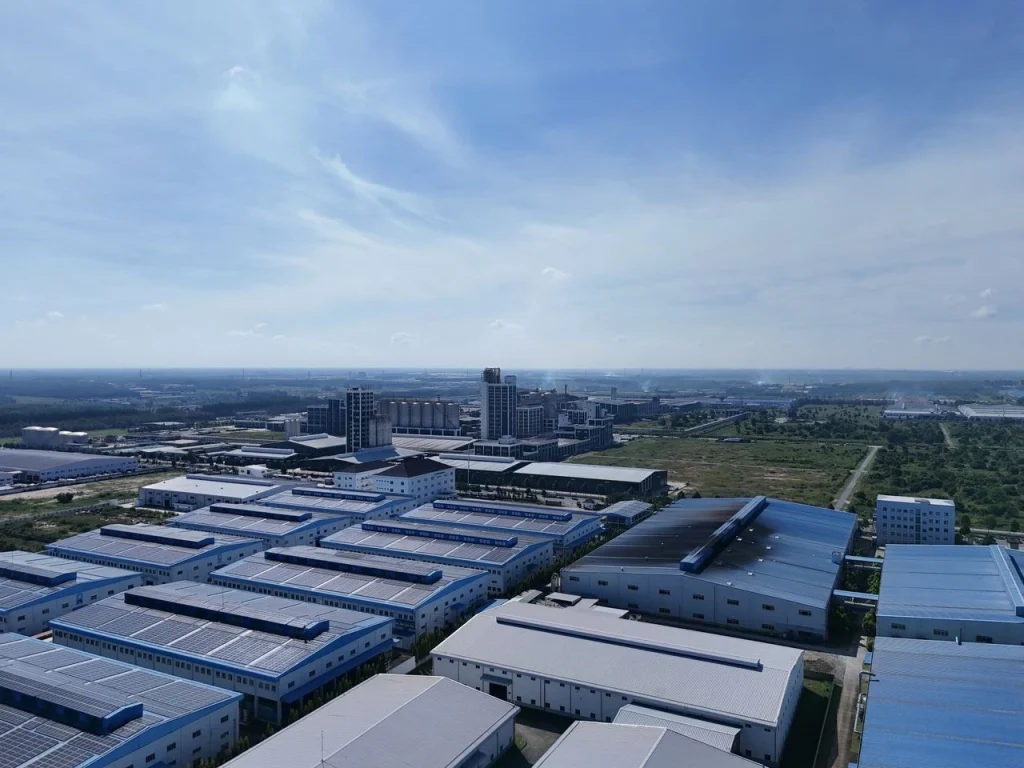
Good practice for real time factory monitoring includes:
- Map high-risk areas before installation
- Place CCTV at gates, loading bays and perimeter zones
- Connect alarms and intrusion detection to monitoring support
- Use access control for restricted areas
- Review blind spots regularly
- Set clear incident escalation procedures
- Align monitoring teams with on-site guards
- Maintain cameras, sensors and the factory alarm system regularly
- Review incident records to improve future security planning
How SECOM Malaysia Supports Factory Monitoring Solutions
SECOM Malaysia is a factory security solutions provider offering manufacturing security solutions and integrated physical security across industrial sites. Its manufacturing and industrial security solutions include real time factory monitoring, round-the-clock CCTV surveillance, remote and central monitoring support, alarm systems, intrusion detection, access control, barrier gates and entry systems, and electric fencing where suitable. SECOM Malaysia helps factories assess site risks and build a layered security setup suited to each facility.
Conclusion: Improve Industrial Site Visibility With Real Time Monitoring
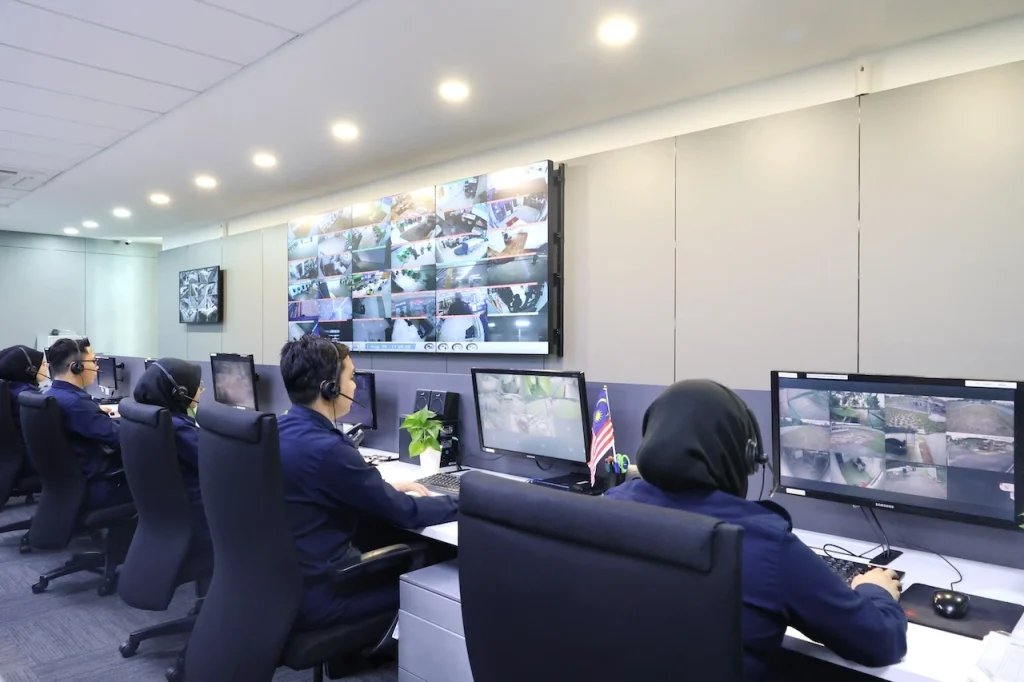
Factories need strong visibility across entrances, perimeters, production areas, warehouses and loading bays to operate safely without disruption. A real time factory monitoring system helps industrial sites detect risks earlier, verify incidents accurately and respond more effectively, at any time of day.
Improve factory security visibility with a reliable real time factory monitoring system. Contact SECOM Malaysia to explore integrated monitoring solutions for industrial sites and manufacturing facilities.
FAQs
What is a real time factory monitoring system?
A real time factory monitoring system helps security teams monitor factory areas through connected systems such as CCTV, alarms, intrusion detection and access control.
Why do factories need real time monitoring?
Factories need real time monitoring to improve site visibility, detect suspicious activity earlier and support faster incident response.
Which factory areas should be monitored?
Factories should monitor gates, loading bays, warehouses, production areas, outdoor yards, perimeters and restricted rooms.
Can real time factory monitoring work with existing CCTV?
Yes. Real time monitoring can work with CCTV to help verify alerts, review activity and strengthen overall factory security.
Does a real time factory monitoring system include access control?
Yes. It typically combines CCTV, biometric access control and a vehicle access control system to secure entrances, restricted zones and vehicle gates.

