
Remote Monitoring System For Government and Critical Infrastructure: How To Protect Sites With Real-Time Security Visibility
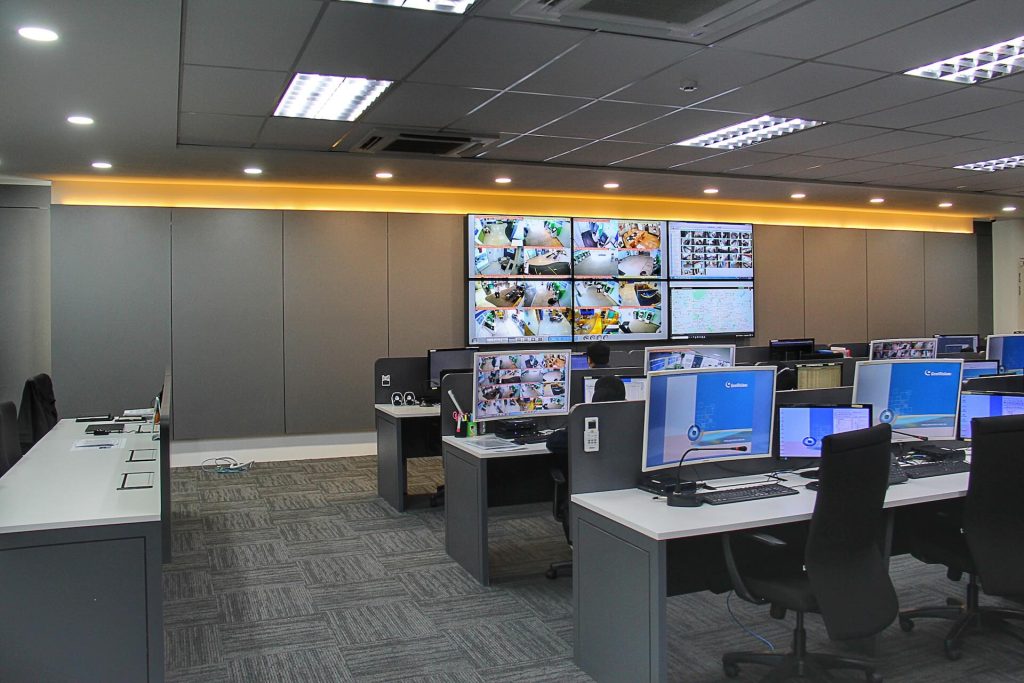
Government and critical infrastructure sites need strong security visibility because they often cover large areas, multiple access points, restricted zones, equipment rooms and external perimeters. These sites may support important public services, operational facilities or sensitive assets, which makes physical security a key part of daily site protection.
A remote monitoring system for infrastructure helps security teams monitor key areas, verify incidents and respond more effectively without relying only on manual patrols or on-site checks. When connected with CCTV, alarms, intrusion detection and access control, remote monitoring gives organisations clearer visibility across high-risk areas.
Why Government and Critical Infrastructure Sites Need Remote Monitoring Systems
Infrastructure facilities often face complex security challenges due to their size, operational importance and access requirements. Security teams may need to monitor entrances, service roads, equipment zones, control areas, storage spaces and perimeter boundaries at the same time.
Remote monitoring systems help address challenges such as:
- Large site layouts with multiple entry points
- Restricted areas that require constant oversight
- Remote or low-traffic locations
- After-hours security risks
- Limited visibility across perimeters and service areas
- Faster incident detection and verification needs
- Business continuity and site protection requirements
Instead of treating each camera, alarm or access point separately, remote monitoring brings key security signals together so teams can assess situations more clearly.
Common Security Risks For Critical Infrastructure
Critical infrastructure sites may face security risks that affect people, assets, equipment and operations. These risks can happen during operating hours, after hours or in areas with limited visibility.
Common concerns include:
- Unauthorised access
- Perimeter intrusion
- Vandalism or tampering
- Equipment theft
- Suspicious movement near restricted zones
- Vehicle access risks
- After-hours activity
- Blind spots in isolated or low-visibility areas
- Delayed incident escalation
For decision-makers, these risks highlight the need for security systems that support detection, verification and response rather than passive observation alone.
How Remote Monitoring Systems Improve Site Visibility
Remote monitoring helps security teams monitor important areas from a central location. This makes it easier to review alerts, check CCTV footage and coordinate action with on-site personnel.
A remote monitoring system can help teams:
- Monitor entrances, perimeters and restricted zones
- Receive alerts from connected security systems
- Verify incidents through CCTV or video monitoring
- Reduce dependency on manual patrols alone
- Identify suspicious activity faster
- Improve coordination between monitoring teams and on-site personnel
- Support security across single-site or multi-site operations
This is especially useful for infrastructure sites with wide perimeters, restricted buildings or areas that are difficult to patrol continuously.

Key Components Of A Remote Monitoring System For Infrastructure
A strong remote monitoring setup combines different security components. Each component supports a specific part of site protection.
| Component | Purpose | How It Supports Infrastructure Security |
| CCTV Surveillance | Provides visual coverage | Helps monitor entrances, perimeters and restricted zones |
| Intrusion Detection | Detects unauthorised activity | Alerts teams to possible breaches or suspicious movement |
| Alarm System | Triggers alerts during incidents | Supports faster escalation and response |
| Access Control | Manages authorised entry | Helps control access to sensitive areas |
| Central Monitoring | Reviews alerts and activity | Supports real-time incident verification |
| Remote Monitoring Platform | Connects security systems | Improves visibility across key site areas |
| Security Response Support | Manages on-site action | Helps address incidents more effectively |
These components should be planned based on site layout, risk areas and response requirements.
How Remote Monitoring Works With CCTV, Alarms And Intrusion Detection
Remote monitoring is most effective when connected to wider security systems. CCTV systems provide visual verification. Alarm systems trigger alerts during incidents. Intrusion detection systems identify unauthorised movement or access attempts. Access control systems help manage who can enter restricted areas.
This integration may include:
- CCTV systems
- Alarm systems
- Intrusion detection systems
- Access control systems
- Perimeter security systems
- Barrier gates and entry systems
- Central monitoring systems
- Security personnel or response teams
When these systems work together, security teams can detect, verify and respond instead of treating each alert in isolation. This improves situational awareness and helps teams make better decisions during security events.
Benefits Of Remote Monitoring For Infrastructure Security
Remote monitoring gives infrastructure operators a more structured way to manage security across important areas. It helps teams respond with better information and improves protection across the site.
Key benefits include:
- Improves real-time security visibility
- Helps detect incidents earlier
- Supports faster alert verification
- Reduces security blind spots
- Strengthens after-hours monitoring
- Supports multi-site security management
- Helps protect critical assets and equipment
- Improves coordination between monitoring teams and on-site personnel
- Supports stronger business continuity planning
For critical sites, these benefits can help reduce delays, strengthen oversight and support safer daily operations.
Types Of Infrastructure Sites That Can Benefit From Remote Monitoring
Many infrastructure and large-scale facilities can benefit from remote monitoring because they involve restricted areas, valuable equipment, important operations or wide site coverage.
Data centres need visibility across server rooms, equipment areas and access points, making remote monitoring for data center infrastructure useful for protecting sensitive technology environments. Healthcare facilities may require a remote monitoring system for hospitals to support visibility across restricted rooms, emergency access points and multi-building campuses. Logistics hubs can use a remote monitoring system for warehouses to monitor loading bays, storage areas, vehicle routes and perimeter zones.
Other sites that may benefit include utilities and energy facilities, telecommunications sites, manufacturing and industrial facilities, government buildings, transport facilities, commercial compounds and education campuses with multiple buildings.
What To Consider Before Choosing A Remote Monitoring System
Before choosing a remote monitoring system, infrastructure operators should assess their site needs carefully. The right system should match the site’s layout, risk profile and response procedures.
Important considerations include:
- Site size and layout
- Number of access points and restricted zones
- Existing CCTV, alarm or access control systems
- Perimeter visibility and blind spots
- Operating hours and after-hours risks
- Number of sites to monitor
- Incident escalation requirements
- Integration with security guards or response teams
- Maintenance and technical support
- Scalability for future expansion
A proper assessment helps organisations avoid disconnected systems and build a more practical security setup.
Best Practices For Remote Monitoring Infrastructure Sites
Remote monitoring works best when organisations plan around actual site risks. A clear setup helps security teams monitor the right areas and respond with confidence.
Best practices include:
- Identify high-risk areas before installation
- Place CCTV cameras at strategic access points
- Connect intrusion detection to monitoring support
- Use access control for restricted areas
- Review blind spots around perimeters and service entrances
- Set clear incident escalation procedures
- Schedule regular system checks and maintenance
- Align remote monitoring with on-site security procedures
These steps help organisations create a security approach that supports both daily operations and emergency response.
How SECOM Malaysia Supports Infrastructure Security
SECOM Malaysia is a trusted security solutions provider that supports organisations with integrated physical security solutions. For government and critical infrastructure sites, SECOM Malaysia can help operators assess site risks, connect security systems and improve real-time visibility across important facilities.
Relevant solutions may include remote monitoring systems, CCTV surveillance, alarm systems, intrusion detection systems, access control systems, perimeter security solutions, central monitoring support and security personnel or response-related support where relevant.
By combining these solutions, SECOM Malaysia helps infrastructure operators build a layered security approach based on site layout, operational needs and risk exposure.
Conclusion: Protect Critical Sites With Real-Time Security Visibility
Infrastructure sites need more than standalone cameras, alarms or manual patrols. A remote monitoring system helps organisations detect suspicious activity, verify incidents and respond more effectively across important areas.
Strengthen your site security with a reliable remote monitoring system for infrastructure. Contact SECOM Malaysia to explore integrated monitoring solutions for critical facilities, large sites and multi-location operations.
FAQs
What is a remote monitoring system for infrastructure?
A remote monitoring system for infrastructure helps security teams monitor critical sites using connected systems such as CCTV, alarms, intrusion detection and access control.
Why is remote monitoring important for critical infrastructure?
Remote monitoring improves real-time visibility, supports faster incident verification and helps protect important assets, equipment and restricted areas.
Can remote monitoring work with existing CCTV systems?
Yes. Remote monitoring can work with CCTV systems to help security teams view activity, verify alerts and respond more effectively.
Which infrastructure sites need remote monitoring?
Remote monitoring can support data centres, utilities, logistics hubs, industrial facilities, government sites, commercial buildings and other critical locations.

