
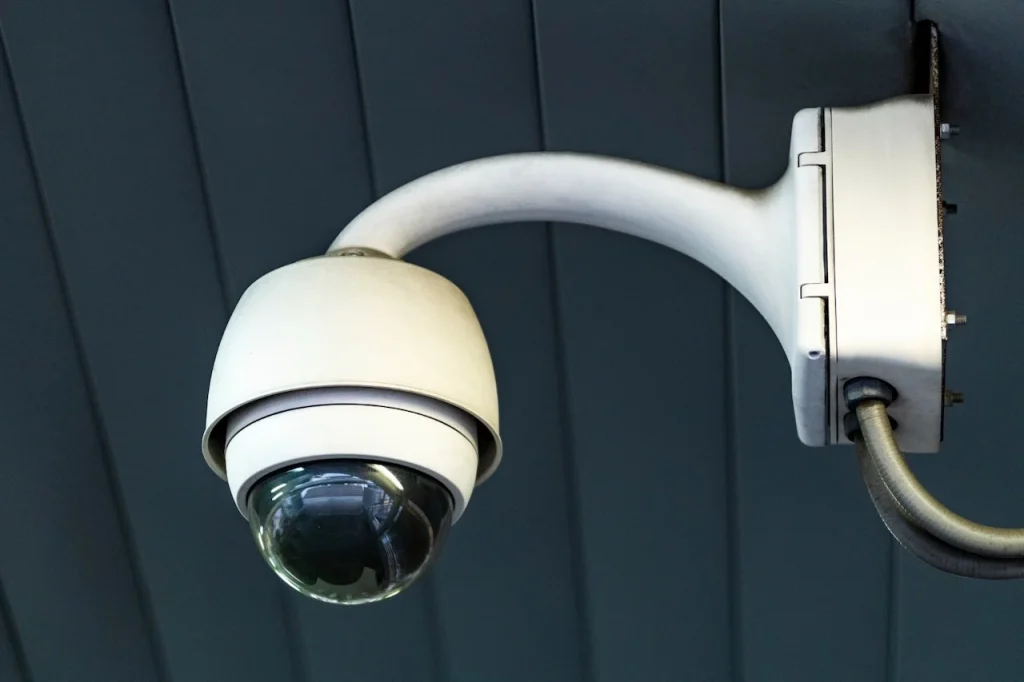
A retail alarm system detects unauthorised entry, forced access and unusual movement inside a shop, then raises an alert so the incident is handled before losses grow. Retail outlets carry more risk than their floor area suggests: stock on display, cash handling areas, storerooms, back entrances, staff and customers, all moving through the same premises during trading hours. Property crime also makes up the larger share of reported crime in Malaysia, and shops are exposed both while open and long after the shutters come down. An alarm system works hardest when it is paired with CCTV, monitoring support and clear response procedures.
Why Retail Businesses Need Alarm Systems In Malaysia
Retail security risks do not stop at closing time, and manual checks alone rarely catch them early. An alarm system protects stock and store assets, secures cash handling areas, and flags break-ins after closing when nobody is on site. It supports staff safety during a confrontation or an emergency, and it covers the blind spots that build up around storerooms, service corridors and back entrances. Retail crime is also growing more organised and more varied, which is why loss prevention teams keep reviewing their security measures. For owners running several outlets, one consistent alarm setup makes security easier to manage across every shop.
Common Security Risks For Shops And Retail Outlets
Most retail incidents come back to a familiar set of weak points:
- Break-ins after operating hours
- Unauthorised access through back doors or service entrances
- Glass door or shopfront window tampering
- Stock theft from storerooms
- Cash handling area exposure
- Suspicious activity near entrances or shutters
- A false sense of security from standalone locks
- Delayed response when no monitoring is in place
Problem-oriented policing research on retail burglary notes that offenders usually enter through doors or windows, forcing locks or breaking panels, which is exactly where alarm coverage earns its keep.
Key Components Of A Retail Alarm System
A retail alarm system is a set of parts with different jobs. Door and window sensors detect opening or forced entry at protected points. Motion detectors pick up movement inside the shop, which matters most after closing. Glass break sensors add cover for glass-fronted stores and display windows. The alarm control panel manages zones and lets staff arm and disarm the system, while a panic button gives them a way to call for help quickly. Alarm monitoring reviews the signals that come in, and CCTV integration adds the visual context that turns an alert into a decision.
How Alarm Monitoring Supports Faster Incident Response
An alarm only helps if somebody acts on it. With alarm and central monitoring support, signals are received the moment they are triggered, verified through connected systems where available, and escalated according to procedures agreed with the store owner. That closes the gap when no staff are present, strengthens after-hours protection and improves coordination with on-site teams or response personnel. Monitoring quality is a real differentiator here, and international certification requirements for central station alarm services set out how a monitoring centre should be run, audited and staffed.
How Retail Alarm Systems Work With CCTV And Access Control
Alarms work best as one layer of an integrated retail security setup rather than a standalone box on the wall. CCTV surveillance confirms what triggered a signal, access control systems keep storerooms, offices and back-of-house areas to authorised staff, and intrusion detection extends cover across the premises. Remote and central monitoring bring these feeds to one point, and security personnel or response teams act on what the systems detect. Alarm confirmation matters too: British Standard guidance on systems designed to generate confirmed alarm conditions exists specifically to cut false alarms while making sure real ones get a response.
Benefits Of Retail Alarm Systems For Store Owners
For a store owner, the value shows up in practical ways:
- Earlier detection of break-ins
- Protection for stock, equipment and cash areas
- Stronger after-hours security
- Support for staff safety during incidents
- Fewer blind spots at back entrances and storerooms
- Better incident verification when integrated with CCTV
- Consistent protection across multiple outlets
- Faster action when an alert is triggered
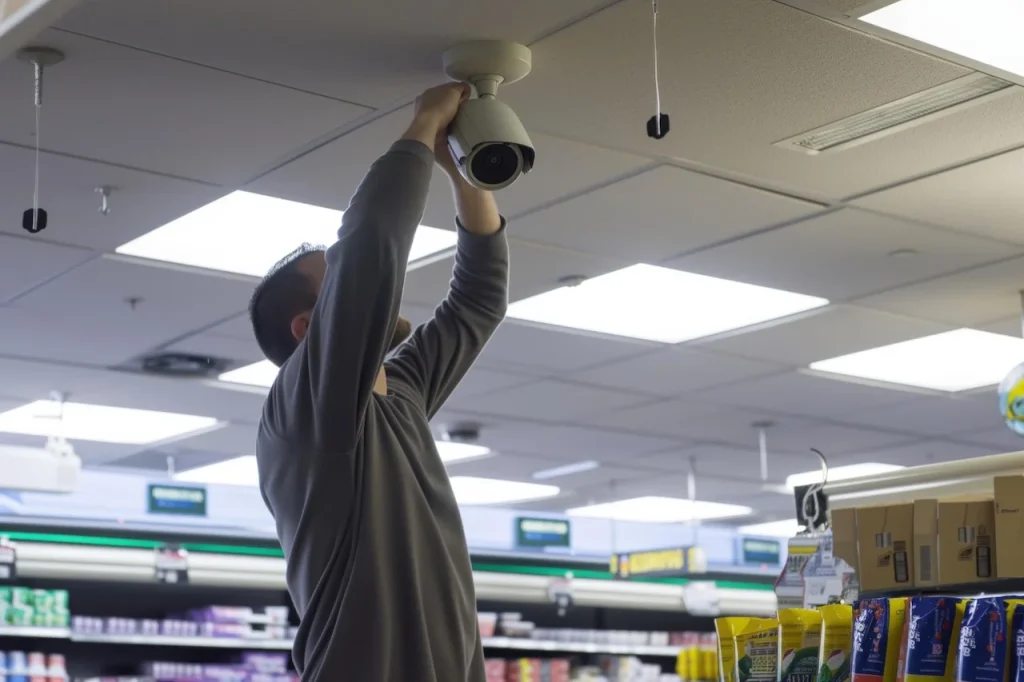
What To Consider Before Choosing A Retail Alarm System
Choosing the right setup starts with the shop itself:
- Store layout and number of entry points
- Glass doors, shutters and back entrances
- Storeroom and cash area security needs
- Operating hours and after-hours risks
- Existing CCTV or access control systems
- Alarm monitoring requirements
- Multi-outlet management needs
- Ease of use for store staff
- Maintenance and technical support
Best Practices For Retail Alarm System Setup
Once installed, a few habits keep the system dependable:
- Place sensors at main entrances, back doors and windows
- Cover storerooms and cash handling areas
- Use motion detection for after-hours protection
- Pair alarms with CCTV for better verification
- Set clear opening and closing procedures
- Train staff on proper arming and disarming
- Review alarm activity and false triggers regularly
- Schedule system checks and maintenance
- Use monitoring support for stronger after-hours cover
How SECOM Malaysia Supports Retail Security
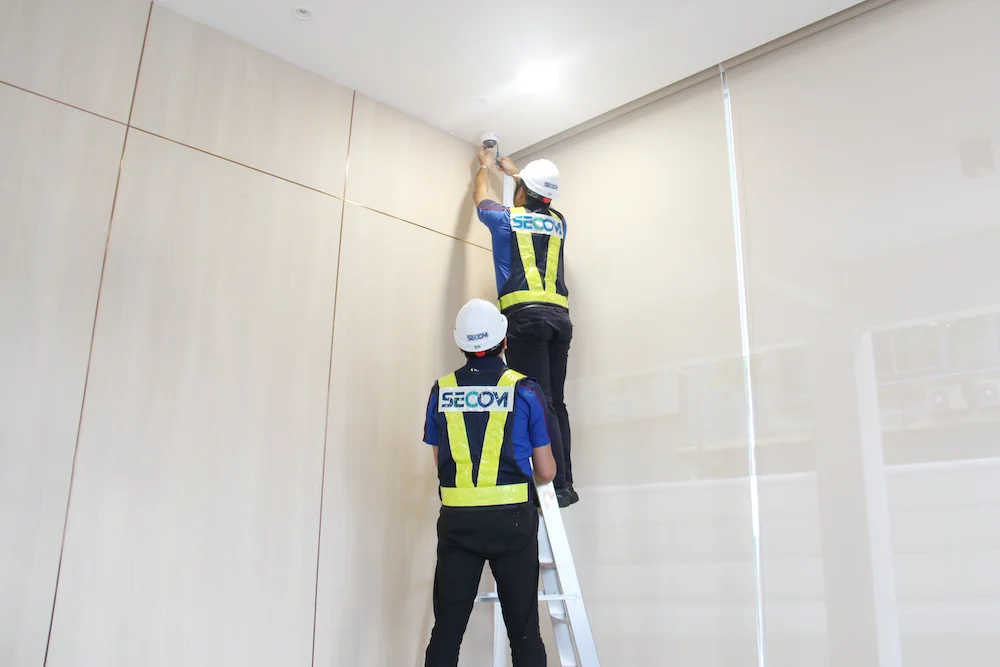
SECOM Malaysia is a total security solutions provider that supports organisations with integrated physical security rather than standalone hardware. For shops, chains and retail premises, SECOM Malaysia delivers retail alarm systems backed by alarm monitoring and central monitoring support, CCTV surveillance, access control systems, intrusion detection and remote monitoring, with security personnel and emergency response services where they are needed. SECOM Malaysia works with retailers to assess shop risks, secure entrances, storerooms and cash areas, and build a consistent security setup across a single outlet or a whole network.
Strengthen Store Protection With A Reliable Alarm System
A retail alarm system helps shops catch theft, break-ins and after-hours incidents while they are still small problems. The protection gets stronger when alarms sit alongside CCTV, monitoring, access control and procedures that staff actually follow, because detection, verification and response then happen as one sequence instead of three separate steps.
Protect your shop, staff and stock with a reliable retail alarm system in Malaysia. Contact SECOM Malaysia to explore integrated alarm monitoring and retail security solutions for your business.
FAQs
What is a retail alarm system?
A retail alarm system detects unauthorised entry, movement or security breaches in shops using devices such as sensors, detectors, control panels and monitoring support.
Why do shops in Malaysia need alarm systems?
Shops need alarm systems to help detect break-ins, protect stock and cash areas, and strengthen after-hours security.
Can retail alarm systems work with CCTV?
Yes. Retail alarm systems can work with CCTV to help verify alerts, review incidents and support faster response.
Which areas should a retail alarm system cover?
A retail alarm system should cover entrances, back doors, windows, storerooms, cash handling areas and other high-risk zones.
Does a retail alarm system need monitoring?
Monitoring is what turns an alert into a response. Without it, an alarm may sound at a closed shop with nobody available to verify or escalate the incident.

