
How to Design a Scalable Central Monitoring System Architecture Using Central Monitoring System Software
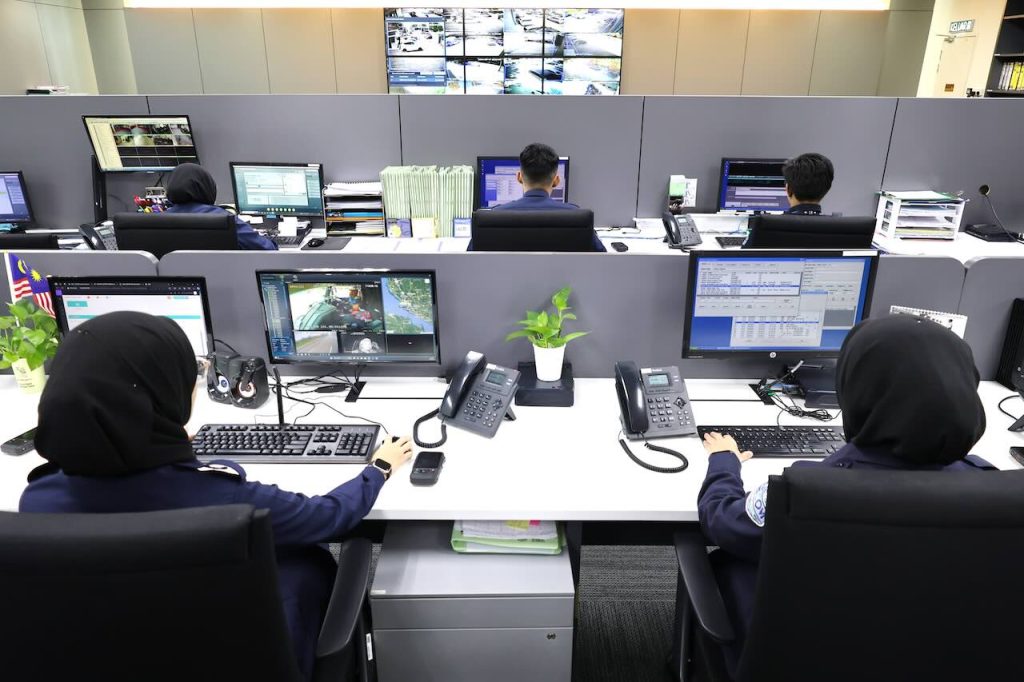
Designing a scalable central monitoring system architecture is critical for organisations that require reliable oversight of vast or distributed infrastructure. By leveraging central monitoring system software, security engineers, facility managers, and decision-makers can build solutions capable of adapting to growing demands while maintaining performance and real-time visibility.
Understanding Central Monitoring System Software for Large Sites
Central monitoring system software serves as the backbone of architecture that aggregates data from multiple sources into a unified platform. This software enables real-time monitoring, alerting, analysis, and reporting across various hardware and software environments. It supports scalability by managing data collection, storage, and processing efficiently while delivering actionable insights to stakeholders.
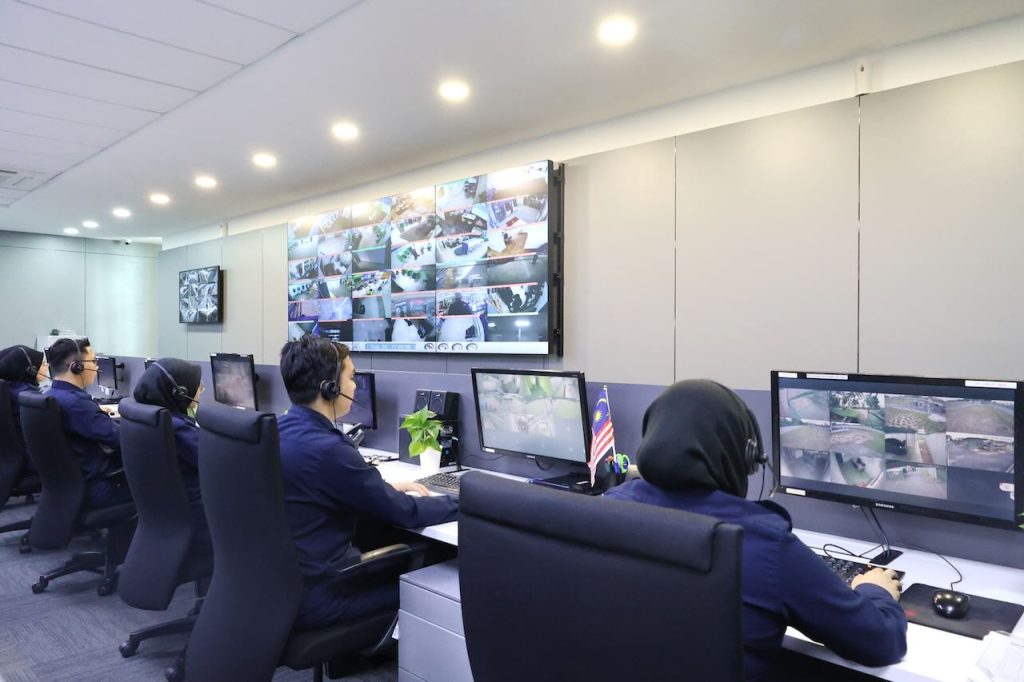
Step-by-Step Guide to Implementing Central Monitoring System Software
- Assess Current and Future Requirements: Identify the number of devices, expected data volume, retention policies, and latency requirements.
- Choose Scalable Software Platforms: Select a CCTV central monitoring system software with proven scalability features, supporting modular design and integration with modern orchestration tools.
- Design for Horizontal Scalability: Ensure new data collectors, processing nodes, and storage shards can be added without downtime.
- Enable Centralised Management: Provide single-pane-of-glass management for configurations, deployments, and alerting rules.
- Test and Iterate: Perform load testing and simulate failures to verify the resilience and scalability of the system.

Why Scalability Matters in Central Monitoring System Architecture
Scalability is a critical factor for central monitoring system software because it ensures your system can grow with your organisation’s needs. As the number of sites, devices, and data volume expand, a scalable system maintains performance without lag or downtime, enabling real-time security oversight across multiple locations. This is vital for avoiding overloads during peak events, ensuring rapid response times, and eliminating costly system redesigns.
Business Benefits of Scalable Central Monitoring System Software
- Adaptability: Accommodates growth in devices, sites, and data volume without requiring major redesign, handling organisational growth without disruption.
- Reliability: Ensures reliable, real-time monitoring and maintains high availability through redundancy, load balancing, and fault tolerance mechanisms.
- Performance: Enables quick decision-making and incident response with minimal data processing delays.
- Cost Efficiency: Optimises resource allocation by scaling up or down based on actual load and avoiding over-provisioning.
- Resilience: Builds robustness with redundancy and failover systems for uninterrupted operation.
- Centralised Control: Facilitates easier management and standardisation across multi-site operations.
- Future-Proofing: Protects your investment by adapting to emerging technologies and increasing data demands.
For security engineers, facility managers, and decision-makers, prioritising scalability in central monitoring system software safeguards the long-term success of your monitoring infrastructure.
Emerging Technologies Powering Scalable Central Monitoring Systems
Innovations in technology are steadily transforming how central monitoring system software can scale more efficiently:
- Artificial Intelligence (AI) Analytics: Automates alert triaging and anomaly detection, reducing false alarms and enabling faster operator response. AI scales to analyse petabytes of video and sensor data without added human resources.
- Edge Computing: Processes data locally at cameras or gateways, reducing bandwidth use and latency. Edge nodes filter data and send only relevant alerts to the central system, lightening the central processing load.
- Cloud Computing and Containerisation: Cloud infrastructure provides elastic resource allocation, while container orchestration (e.g., Kubernetes) allows rapid deployment and scaling of monitoring microservices.
- 5G and High-Speed Networks: Enhanced connectivity supports high-resolution video streams and faster data transfers, crucial for real-time monitoring across dispersed sites.
Integrating these technologies empowers your central monitoring system to grow seamlessly while maintaining peak performance and responsiveness.

Common Central Monitoring System Challenges and How to Fix Them
Scaling central monitoring system software comes with challenges that must be addressed through deliberate architectural and operational strategies:
- Data Overload: Massive volumes of video and sensor data can overwhelm storage and processing. Solutions include hierarchical data filtering, prioritising critical alerts, and leveraging scalable time-series databases.
- Latency and Bandwidth Constraints: Distributing data collectors at edge locations and using efficient streaming protocols reduces latency and bandwidth consumption.
- System Fragmentation: Avoid siloed systems by ensuring open APIs and unified data models, enabling seamless integration across components and third-party tools.
- Security Risks: Larger scale broadens attack surfaces. Implement zero-trust models, encryption, continuous auditing, and automate incident response workflows.
- Management Complexity: Centralised management tools with role-based access control and automation reduce human error and simplify multi-site operations.
Proactively addressing these issues ensures your scalable monitoring architecture remains efficient, secure, and manageable as it evolves.
Frequently Asked Questions About Central Monitoring System Software
What is central monitoring system software?
Central monitoring system software is a platform that aggregates alarms, video, and sensor data from multiple sites into one central dashboard for real-time monitoring and response.
How does central monitoring system software improve security?
It improves security by providing instant visibility of incidents, automated alerts, and a consistent response workflow across all connected locations.
Can central monitoring system software work with existing CCTV and alarms?
Yes, most modern central monitoring system software integrates with common CCTV, intrusion, fire, and access control systems via standard protocols and APIs.
Is cloud-based central monitoring system software suitable for multi-site organisations?
Cloud-based central monitoring system software is well suited to multi-site organisations because it scales easily, supports remote access, and reduces the need for on-premises infrastructure.
Future-Proof Your Security with Scalable Central Monitoring System Software
Designing scalable central monitoring system software architecture is a strategic investment that protects your organisation’s security, operations, and growth over the long term. By building for scale from the outset, you ensure your monitoring capabilities can expand, adapt, and stay resilient as your sites, data, and risks evolve.
Explore SECOM Malaysia’s range of advanced central monitoring system software solutions designed with scalability, robustness, and user-centric features to empower your security and operational teams across security in Malaysia projects, CCTV in Malaysia, and on-site security in-house needs.
Contact SECOM Malaysia today to discover how we can help you build efficient, scalable monitoring architectures that integrate CCTV IP, security camera system, alarm system for your house, security alarms, security equipment, boom gate, life‑saving AED device and AED first aid capabilities, all coordinated through a robust central fire monitoring system.

