
Outsourced vs In-House Central Monitoring: Which is Right for Your Business?
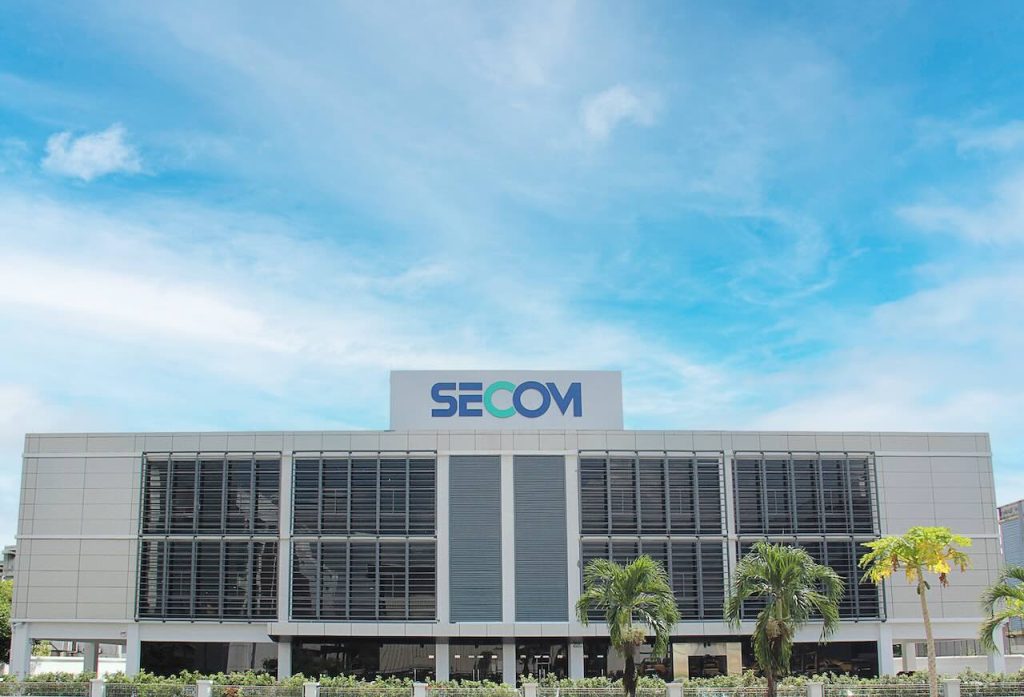
Malaysian businesses face increasing security challenges, making central monitoring systems a vital defence. These systems detect alarms, verify incidents, and initiate swift responses 24/7. Deciding between in-house setups and outsourcing to experts like SECOM Malaysia is a pivotal choice that impacts security effectiveness and costs significantly.
What Is Central Monitoring and How Does It Work?
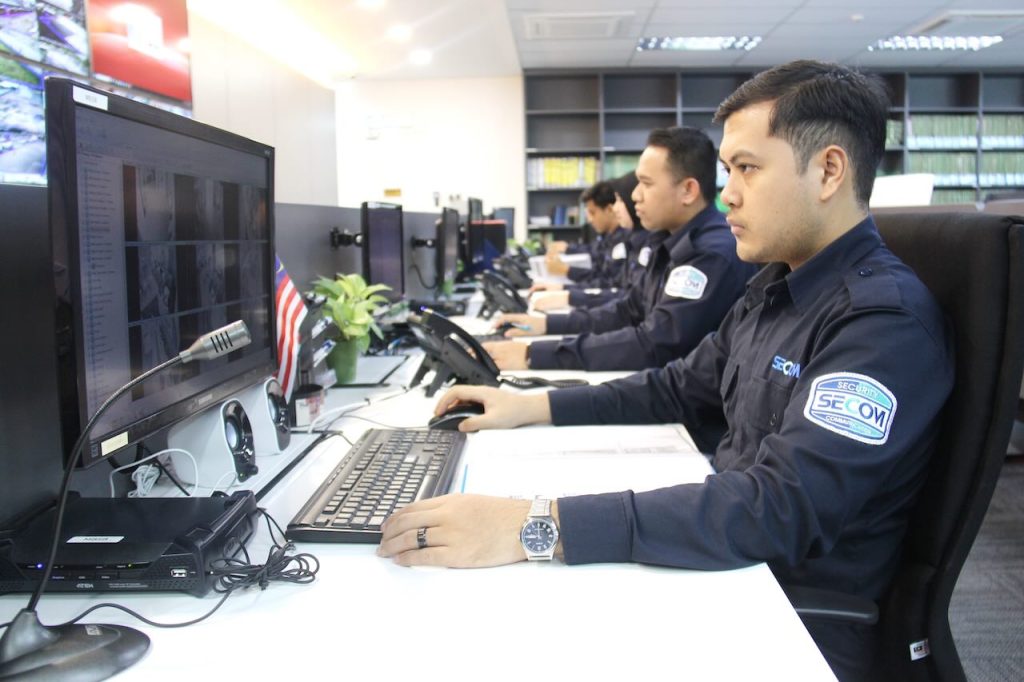
Central monitoring systems collect alerts from devices such as intruder alarm systems and sensor alarms, analyse them, and coordinate emergency responses. SECOM Malaysia’s central monitoring system integrates access control, and surveillance technologies, enabling quick verification of breaches and dispatch of officers or authorities.
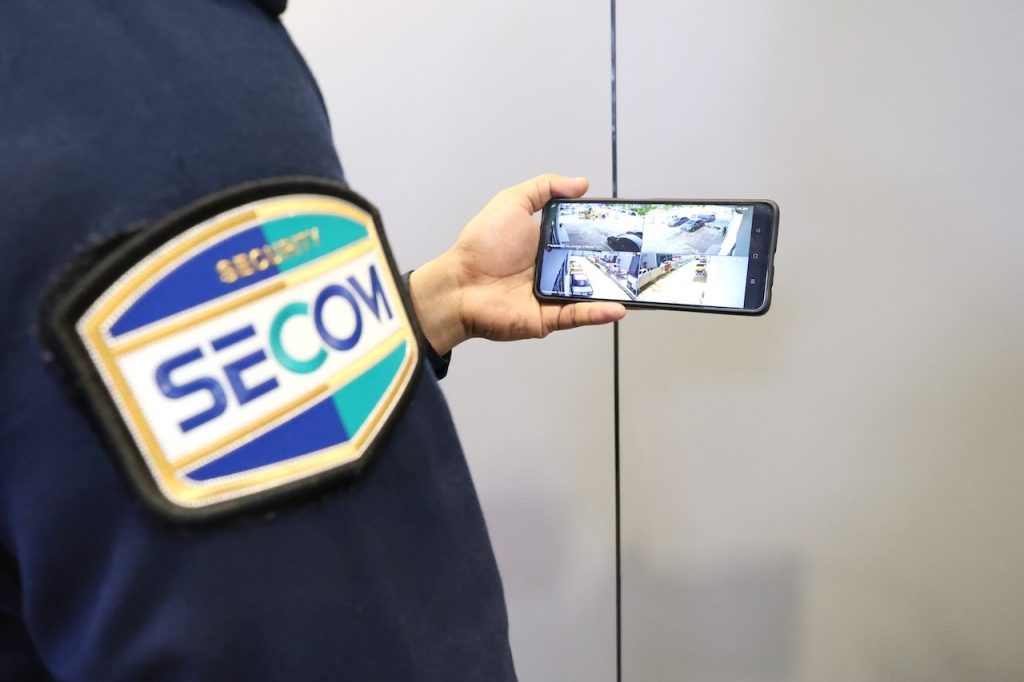
Advanced CCTV IP cameras and remote access software enhance visibility for monitoring teams, enabling live supervision and instant alert management. Businesses across Malaysia, from Kuala Lumpur to Penang, use these integrated solutions to protect assets and people effectively.
Pros and Cons of In-House Central Monitoring
Maintaining security in house means complete control over monitoring operations and data. Companies customise surveillance setups using custom CCTV and security equipment, tailoring responses to unique site needs.
However, building an in-house team demands significant investments: expensive technology, continuous staff training, and 24/7 coverage that strains manpower and budget resources. Small to mid-sized Malaysian enterprises often struggle to cover all shifts adequately, leading to costly overtime and vulnerabilities during unstaffed periods. Expansion to multiple sites adds complexity and recruits challenges.
Why Outsourced Central Monitoring Excels for Many
Outsourcing delivers expert monitoring services through established centres like SECOM Malaysia’s Control Centre, which handles over 5,000 subscribers with rapid alarm verification and dispatch response within an average 21 minutes. This service utilises cutting-edge technology, including wireless boom gates and AED defibrillators, integrating safety with efficient security monitoring.
Costs are predictable via subscription fees, eliminating upfront capital and reducing administrative burdens. Providers maintain industry best practices and compliance, giving Malaysian businesses peace of mind and access to 24/7 specialist teams without managing shifts or infrastructure.
In-House vs Outsourced Monitoring: A Clear Comparison
| Feature | In-House Monitoring | Outsourced Monitoring (SECOM Malaysia) |
| Cost | High upfront for security equipment and staff; ongoing salaries | Subscription model; low capital expenditure |
| Expertise | Internal skill growth; recruitment challenges | Access to trained specialists and advanced tech |
| Scalability | Limited by internal resources; slow to expand | Flexible, scales with business size and needs |
| Control | Direct oversight of operations | Service level agreements ensure transparency |
| Response Time | Dependent on staff availability | Fast response; average dispatch within 21 minutes |
| Coverage | Costly to maintain 24/7 | Built-in 24/7 monitoring and rapid incident handling |
Outsourcing proves advantageous especially for small and medium enterprises looking to optimise costs, while larger firms might consider hybrid models combining both approaches.
Cost Considerations for Malaysian Businesses
Starting an in-house monitoring centre may require RM500,000 or more, covering advanced security camera systems and staff. Ongoing expenditures include maintenance and salaries exceeding RM10,000 monthly in major cities.
Outsourced monitoring plans, such as SECOM Malaysia’s, offer affordable monthly subscriptions tailored to business size and scope, significantly reducing overheads. Long-term savings can reach 40-60% over five years, freeing capital for other operations.
Managing Risks and Privacy
In-house teams mitigate data sharing risks, keeping security monitoring fully internal. However, staff burnout and outdated systems pose challenges that increase vulnerability to breaches, particularly in busy urban areas.
Outsourcing introduces vendor dependency but trusted providers enforce strict data privacy policies. SECOM Malaysia’s CCTV central monitoring system software respects privacy by sharing alerts rather than allowing live feed access, balancing security and confidentiality.
Consider a Hybrid Approach
Many Malaysian organisations blend in-house and outsourced capabilities—handling day shifts internally while outsourcing nights and weekends. This format optimises cost, scales flexibly, and guarantees comprehensive protection.
SECOM Malaysia supports hybrid integrations, linking with existing security assets including custom CCTV and legacy alarm systems seamlessly.
Making the Right Choice for Your Business
Checklist for decision-making:
- Business Size: SMEs favour outsourced solutions; larger firms often prefer full control or hybrids.
- Budget: Evaluate total cost of ownership; outsourcing generally reduces capital and maintenance expenses.
- Risk Exposure: High-risk locations and critical assets necessitate 24/7 expert monitoring.
- Growth Plans: Scalable outsourced services adapt easier to expansion.
- Compliance: Trusted providers ensure adherence to Malaysian regulations and PDPA.
Test providers’ SLAs, response times, and technology compatibility before committing.
Central Monitoring FAQ: Outsourced vs In-House in Malaysia
What is the main difference between outsourced and in-house central monitoring?
Outsourced central monitoring uses specialist centres like SECOM Malaysia’s for 24/7 alarm verification and response, while in-house relies on internal teams managing their own systems.
Is outsourced central monitoring cheaper than in-house for Malaysian SMEs?
Yes, outsourcing cuts upfront costs by 40-60% over five years through subscriptions, avoiding infrastructure and staffing expenses.
How fast does SECOM Malaysia respond to central monitoring alarms?
SECOM Malaysia verifies alarms in seconds and dispatches officers within an average of 21 minutes, notifying authorities as needed.
Can in-house monitoring integrate with outsourced services?
Yes, hybrid models combine in-house day operations with outsourced 24/7 coverage, supported by providers like SECOM Malaysia for seamless integration.
Secure Your Business with SECOM Malaysia
As security challenges escalate in Malaysia, investing in a reliable central monitoring partner is crucial. SECOM Malaysia offers advanced monitoring that integrates intruder alarm systems, boom gates, AED first aid, and security equipment into a unified service, empowering businesses with round-the-clock proactivity and rapid response for true peace of mind.
Explore SECOM Malaysia’s comprehensive range of security services and get a customised quote today to safeguard your assets efficiently and affordably.

