
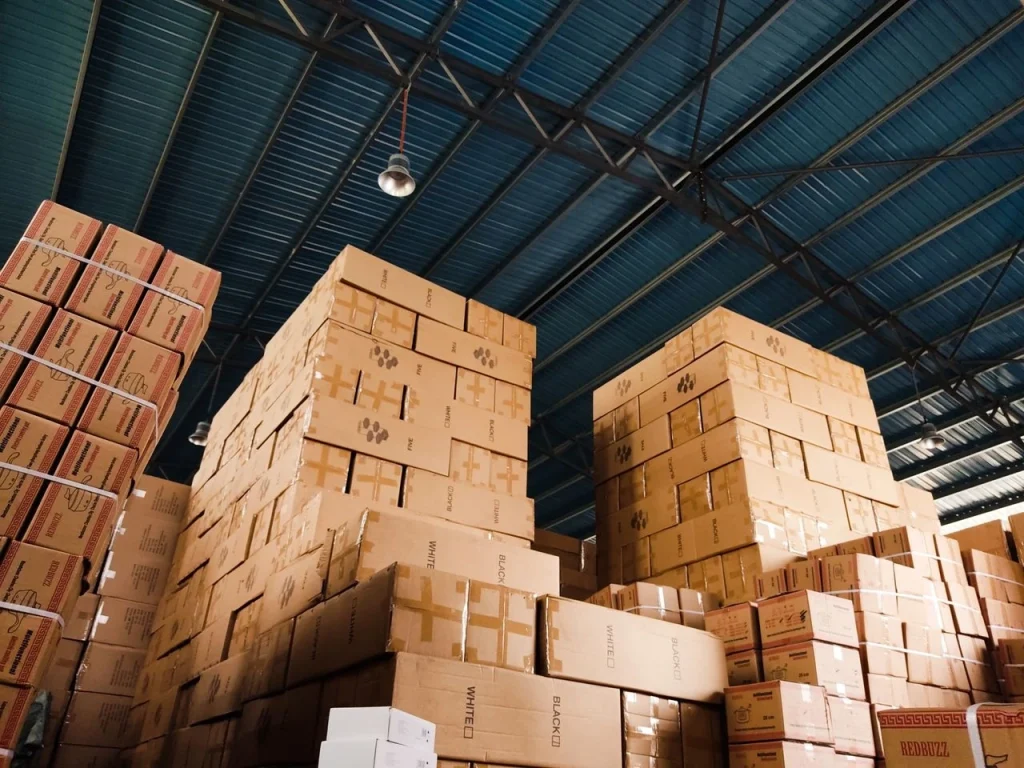
Warehouse security best practices help Malaysian businesses protect inventory, staff and daily operations by combining secured entry points, CCTV, access control, alarms and monitoring into one layered system. Warehouses often store valuable stock, equipment, vehicles, documents and other operational assets, and see constant movement of staff, drivers, vendors and visitors throughout the day. Strong warehouse security best practices help reduce theft risks, control who enters restricted areas, protect staff and keep daily operations running smoothly.
Why Warehouse Security Matters In Malaysia
Warehouses are active business environments with frequent movement of staff, drivers, vendors, visitors and goods, which is exactly why logistics security solutions in Malaysia focus on:
- Protecting inventory and equipment
- Managing staff, visitor and vendor access
- Reducing unauthorised entry risks
- Securing loading bays and delivery areas
- Supporting safer daily operations
- Reducing disruption from security incidents
Common Security Risks In Warehouses
Warehouse and logistics teams face practical, everyday risks, including:
- Stock theft or inventory loss
- Unauthorised access to storage areas
- Tailgating at entry points
- After-hours break-ins
- Vehicle movement risks
- Loading bay blind spots
- Internal security breaches
- Vandalism or tampering
- Poor visibility in large warehouse spaces
Left unmanaged, these risks affect inventory accuracy, staff safety and how fast a team can respond. Businesses that want to prevent warehouse theft should treat prevention and detection as equally important.
Best Practice 1: Secure All Warehouse Entry Points
Entry points are the first areas warehouse operators should control, including main entrances, staff entrances, loading bays, roller shutters, vehicle gates, emergency exits and contractor or visitor entry points. Access control, barrier gates, visitor logs, CCTV coverage and security guards all help where suitable.
Best Practice 2: Use CCTV To Improve Warehouse Visibility
CCTV helps warehouse teams monitor high-risk areas and review incidents across entrances, loading and unloading zones, storage aisles, cash or admin offices, perimeter areas, vehicle parking areas, restricted zones and blind spots. CCTV cameras work best when combined with proper placement, round-the-clock CCTV monitoring and clear response procedures.
Best Practice 3: Control Access To Restricted Areas
Access control is a key part of warehouse security for restricted areas such as inventory storage zones, high-value goods areas, server or IT rooms, admin offices, staff-only areas and control rooms, along with chemical or hazardous goods storage areas where relevant. It helps operators manage authorised entry, reduce key-sharing risks and improve accountability through access logs.
Best Practice 4: Strengthen After-Hours Protection With Alarms
Warehouses face higher risks when operations slow down or close for the day. A well-planned alarm system combines door and window sensors, motion detectors, glass break sensors and intrusion detection, with alarm monitoring and remote monitoring so teams can verify alerts and respond faster when unusual activity happens.
Best Practice 5: Protect The Warehouse Perimeter
Perimeter security helps prevent threats before they reach the main building, especially for warehouses with compounds, yards, parking areas or loading zones. Useful solutions include perimeter fencing, electric fencing where suitable, barrier gates, guardhouse control, CCTV around external boundaries, perimeter lighting, intrusion detection sensors and vehicle access control.
Best Practice 6: Improve Loading Bay And Vehicle Access Security
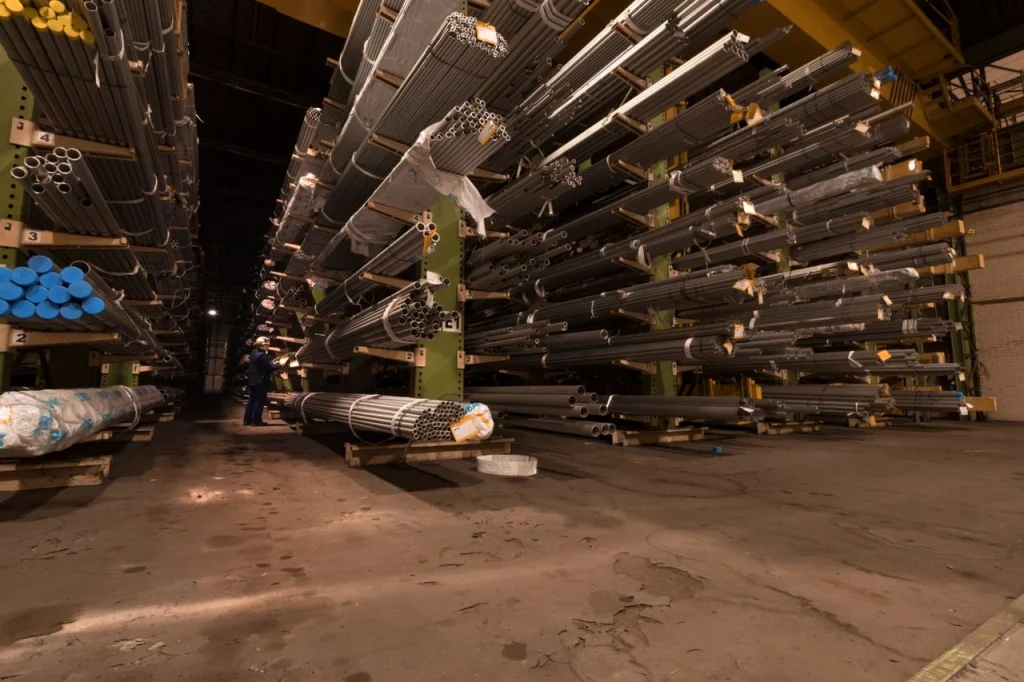
Loading bays and vehicle movement are especially relevant for logistics operations. This means controlling vehicle entry and exit with a vehicle access control system, monitoring loading and unloading activities, verifying drivers, vendors and contractors, using CCTV at loading bays, managing delivery schedules and visitor procedures, preventing unauthorised vehicle movement and reducing blind spots around docking areas.
Best Practice 7: Connect Security Systems With Remote Monitoring
Remote monitoring helps warehouses improve visibility beyond manual patrols by connecting CCTV surveillance, alarm systems, intrusion detection, access control and barrier gates to central monitoring systems and security personnel or response teams. This supports faster incident verification and better coordination, and remote monitoring makes it possible from a single point rather than site by site.
Warehouse Security Checklist For Facility Managers
Facility managers can use this quick checklist to review warehouse security readiness:
- Are all entry points secured?
- Are loading bays covered by CCTV?
- Are restricted areas protected by access control?
- Are alarms active after operating hours?
- Are visitor and vendor movements recorded?
- Are blind spots reviewed regularly?
- Are perimeter areas monitored?
- Are security procedures clear to staff?
- Are systems maintained and tested regularly?
- Are incidents reviewed to improve future security planning?
How SECOM Malaysia Supports Warehouse Security
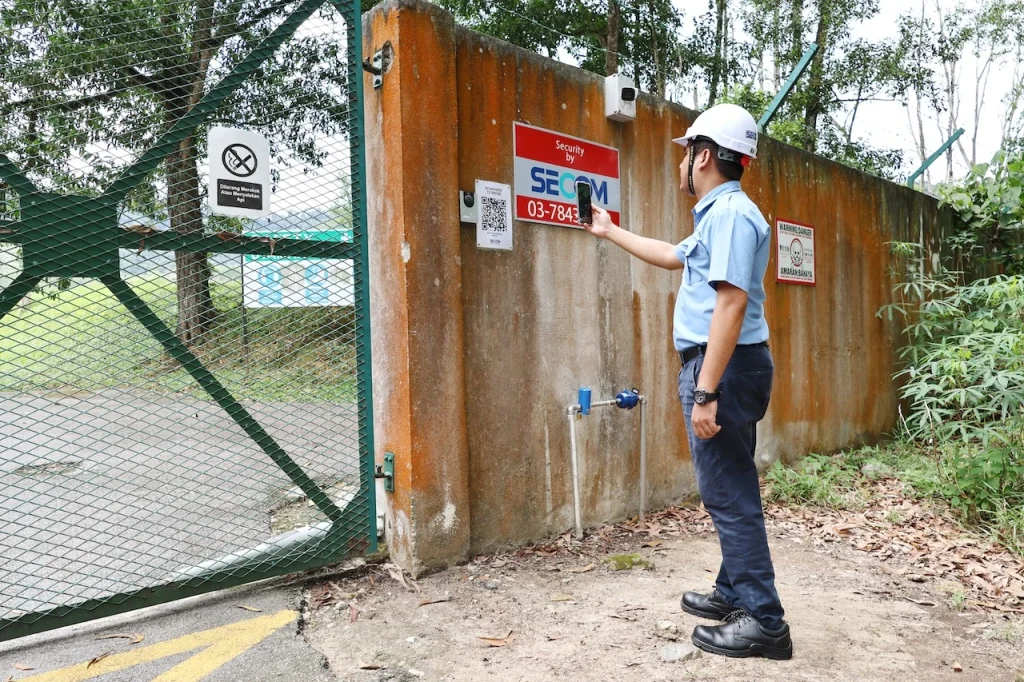
SECOM Malaysia is a warehouse security solutions provider supporting organisations with integrated physical security across warehouses and logistics hubs. Its logistics security solutions include CCTV systems, access control systems, alarm systems, intrusion detection systems, remote monitoring, central monitoring support, barrier gates and entry systems, and electric fencing, alongside warehouse security guards and response-related support, provided under Malaysia’s licensing requirements for private security agencies. SECOM Malaysia helps warehouse operators assess risks, secure key areas and build a layered security setup for daily operations.
Build A Safer And Better Protected Warehouse
Strong warehouse security requires a layered approach covering entry points, CCTV, access control, alarms, perimeter protection, loading bays and monitoring, reflecting the facility security requirements recognised across the logistics industry.
Protect your inventory, staff and daily operations with a reliable warehouse security setup. Contact SECOM Malaysia to explore integrated security solutions for warehouses, logistics hubs and industrial facilities.
FAQs
What are warehouse security best practices?
Warehouse security best practices include securing entry points, using CCTV, controlling restricted areas, monitoring loading bays, installing alarms and reviewing security procedures regularly.
Why is warehouse security important in Malaysia?
Warehouse security helps Malaysian businesses protect inventory, staff, vehicles, equipment and daily operations from theft, unauthorised access and disruption.
How can CCTV improve warehouse security?
CCTV helps warehouse teams monitor entrances, loading bays, storage areas, perimeters and blind spots while supporting incident review and verification.
What security systems should warehouses use?
Warehouses can use CCTV, access control, alarm systems, intrusion detection, remote monitoring, barrier gates and perimeter security solutions.
Does warehouse security cover loading bays and vehicle access?
Yes. A cargo security system and vehicle access control help verify drivers, monitor loading activity and reduce blind spots around docking areas.

