
Wireless Alarm Systems vs Wired Systems in Malaysian Buildings: When to Choose Which
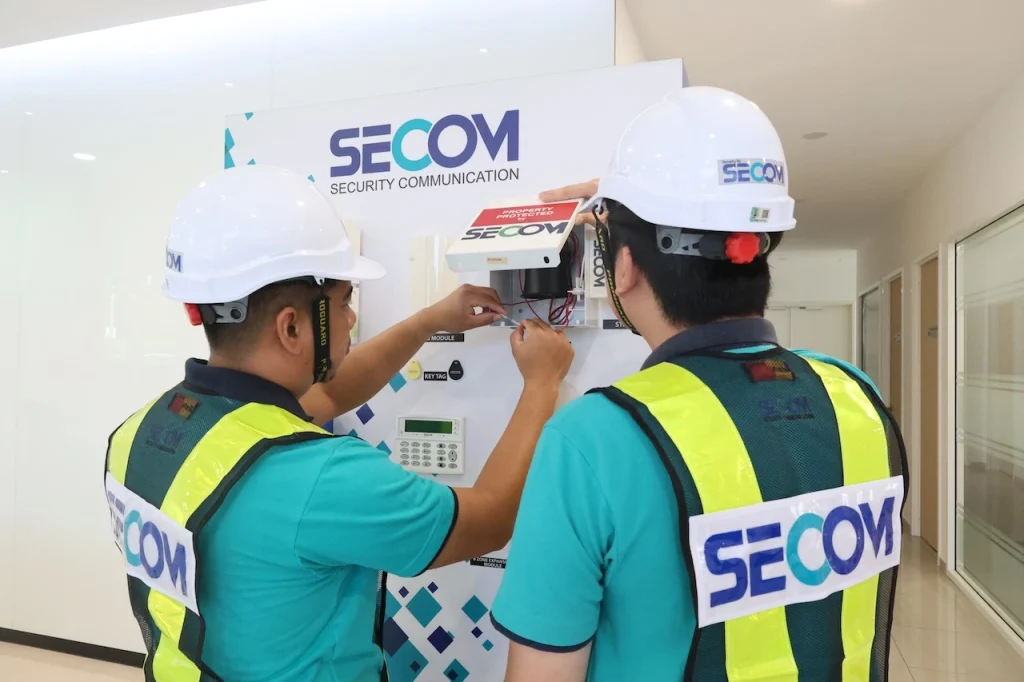
Choosing the right alarm setup is an important decision for any property. In general, a wired system connects sensors and devices through physical cables, while a wireless alarm uses radio signals to communicate between components. Both options fall under a broader security alarm system and are designed to detect intrusions, trigger alerts, and protect people and assets.
This choice matters because Malaysian buildings vary widely, from high-rise condominiums and shoplots to large warehouses and offices. Factors such as building structure, renovation constraints, and long-term usage can affect how well a system performs and how practical it is to install.
In this article, we will compare wired and wireless alarm systems in terms of cost, reliability, installation, and suitability, so you can decide which option works best for your building.
Alarm System Basics in Malaysia
A typical security alarm system includes a control panel, sensors to detect movement or intrusion, sirens, and a communication module that sends alerts to users or monitoring centres.
In Malaysia, these systems are widely used in residential homes, shoplots, offices, warehouses, and gated communities, often linked to mobile apps or professional monitoring for real‑time alerts and remote status checks.
What Is a Wired Alarm System?
A wired alarm system connects sensors, keypads, and sirens to a central control panel using physical cabling. As a type of burglar alarm system, it is designed to provide stable, continuous monitoring across entry points and internal zones. Cables are usually routed through walls, ceilings, or trunking, so installation is most practical during new construction or major renovation.
In Malaysia, wired systems are commonly used in larger commercial buildings, offices, and warehouses where long‑term occupancy and a stable infrastructure make cabling cost‑effective and reliable over time.
What Is a Wireless Alarm System?
A wireless alarm system uses radio signals to connect sensors, keypads, and other devices to a hub or control panel, without running cables through walls. Sensors are typically battery‑powered and communicate via RF, with alerts sent through mobile apps, cloud platforms, or monitoring centres.
In Malaysia, wireless systems are popular in completed homes, rented properties, and smaller offices where drilling or extensive cabling is impractical. They are also well‑suited to sites that may need frequent layout changes or quick deployment.
Key Comparison: Wired vs Wireless Alarm Systems
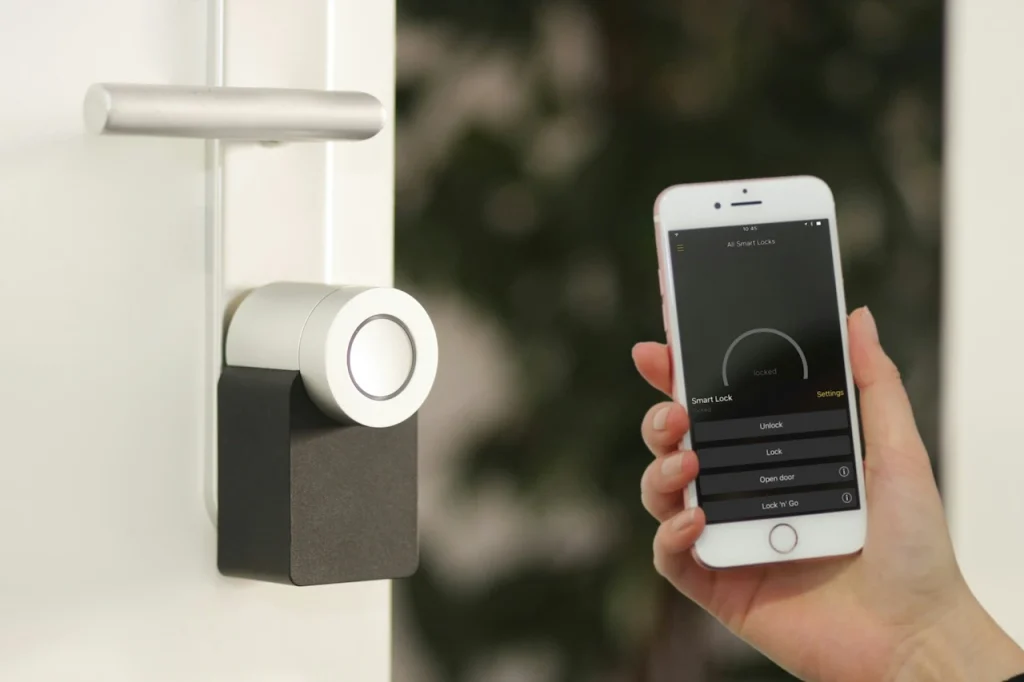
Both wired and wireless systems can be effective, but their strengths depend on the building, installation conditions, and long-term security needs. Comparing them side by side makes it easier to see which option is more practical for a specific Malaysian property.
Installation and Building Type
Wired:
- Best for buildings under construction or undergoing renovation, where cables can be routed easily and concealed from the start.
- Often used in larger landed properties, factories, office towers, and other commercial sites in Malaysia.
Wireless:
- Ideal for occupied, fully finished, or rented buildings where hacking walls or major cabling work is not practical.
- Common in high‑rise condos, shoplots, and smaller offices that need fast, low‑disruption installation.
Reliability, Maintenance, and Lifespan
Wired:
- Less affected by radio interference and generally offers stable communication once installed.
- Fixed cabling can last many years with fewer maintenance touchpoints, though cables and terminals still need periodic inspection.
Wireless:
- Can be affected by signal blocking, thick concrete walls, or interference, which are common in some Malaysian buildings.
- Requires regular battery replacement for sensors and devices, plus performance checks to ensure signal strength and coverage.
Security and Tampering Risks
Wired:
- More difficult to tamper with when cables are properly concealed, though exposed cabling can still be vulnerable.
- Needs a secure, structured layout and professional installation to minimise weak points.
Wireless:
- May be more exposed to jamming or interference, so encrypted communication and tamper‑detection alerts are important.
- The quality of design and installation heavily influences how resistant the system is to attacks.
Cost, Scalability, and Integration
Cost Considerations
- Wired: Higher upfront labour and material costs due to cabling work.
- Wireless: Lower initial installation cost, but ongoing battery replacement and device upkeep can add to long‑term expenses.
Scalability and Future Upgrades
- Wired: Requires more planning; adding new zones later often means new cabling.
- Wireless: Easier to expand or relocate devices as layouts change, making it suitable for growing businesses or multi‑floor offices.
Integration with Other Security Systems
- Wired: Often integrates directly with existing wired CCTV, access control, and monitoring infrastructure.
- Wireless: Typically integrates via networked platforms, mobile apps, or hybrid security setups.
When to Choose Wired vs Wireless Alarm Systems
Choose a wired alarm system if:
- The building is under construction, undergoing major renovation, or has the flexibility to conceal cabling.
- It is a large property such as a factory, office tower, or warehouse where stable, long‑term coverage is critical.
- Signal reliability is a priority and you are prepared for higher upfront investment in labour and materials.
Choose a wireless alarm system if:
- The building is already completed, occupied, or rented, and you cannot easily modify walls or run cables.
- You need quick deployment, minimal disruption, and flexibility to reconfigure layouts later.
- You have smaller shops, SOHO units, or offices where installation speed and adaptability matter more than structured cabling.
Hybrid Alarm Systems: Best of Both Worlds
A hybrid alarm setup combines wired and wireless components in one system. Wired devices can cover high‑priority entry points and critical zones that demand stable connections, while wireless sensors can be added where cabling is difficult or impractical.
In Malaysia, hybrid systems are useful for retrofitting projects, partially developed buildings, or upgrades to an existing security alarm system, since they balance performance, flexibility, and installation constraints.
Practical Questions to Ask Before Deciding
Before choosing between wired and wireless systems, it helps to step back and evaluate your building and operational needs. Asking the right questions can clarify which option is more suitable and prevent costly changes later on.
- Is the building new, under renovation, or already fully finished?
- Is the property owned or rented, and how long will it be used?
- How complex is the layout, and how many zones need protection?
- What level of integration is required (CCTV, access control, 24/7 monitoring)?
- What is the realistic budget for both installation and ongoing maintenance ?
Why Work with a Professional Security Provider in Malaysia
A professional security provider can conduct a site assessment, map risk areas, and recommend whether a wired, wireless, or hybrid security alarm system is most suitable for your building. This is especially important in Malaysia, where factors like high‑rise layouts, renovation constraints, and heat and humidity can affect performance and lifespan.
Working with a trusted provider also ensures compliance with local standards, proper installation, and access to planned maintenance, 24/7 monitoring, and expert support. This helps future‑proof your alarm system and integrate it with complementary solutions such as CCTV in Malaysia and central station alarm system monitoring.
Frequently Asked Questions (FAQs)
1. Are wireless alarm systems reliable in Malaysia?
Yes, wireless systems can be reliable when properly installed and tested. A professional site survey helps ensure strong signal coverage in the building.
2. Is a wired alarm system better than wireless?
Not necessarily. Wired systems offer stable connections, while wireless systems provide flexibility. The better choice depends on the building and installation conditions.
3. Do wireless alarm systems require maintenance?
Yes, they require periodic battery replacement and system checks to ensure all devices continue to function properly.
4. Can I combine wired and wireless alarm systems?
Yes, hybrid systems allow both wired and wireless components to be used together, offering flexibility and balanced performance for different areas of a building.
Choosing the Right Alarm System for Your Building
There is no one-size-fits-all answer when selecting an alarm system. The right choice depends on your building type, budget, and operational needs. Wired systems may offer long-term stability for larger or newly built properties, while a wireless alarm can provide flexibility and ease of installation for completed or rented spaces.
What matters most is that the system is properly designed, installed, and supported. Whether you are using a wired, wireless, or hybrid security alarm system, effectiveness comes from how well it is planned and maintained.
If you are evaluating your options, working with a trusted provider can help you make the right decision. Explore SECOM Malaysia’s security services to request a professional site assessment and tailored alarm solution that fits your building type, budget, and operational needs, such as CCTV in Malaysia and a central station alarm system monitoring setup. For businesses that require a more comprehensive approach, solutions can also extend to areas like AED equipment and even residential-focused setups such as house CCTV, depending on the overall safety requirements.

