
Leasing vs Buying Security Camera Systems: Which Option Fits Your Cashflow?
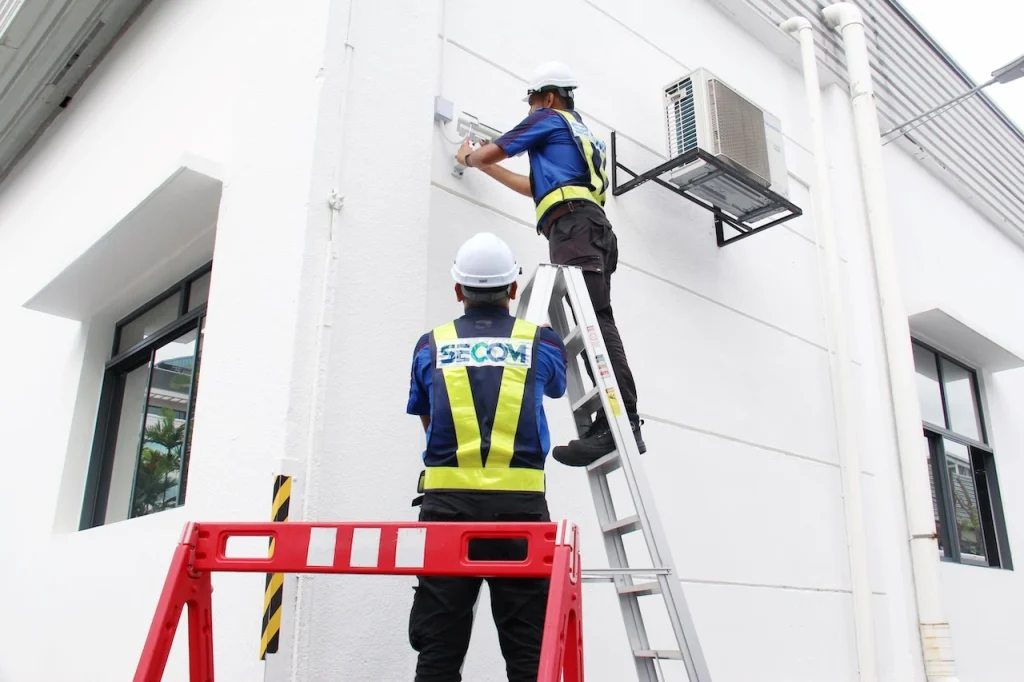
Businesses in Malaysia often face difficult decisions when investing in security camera systems: lease for flexibility or purchase for long-term ownership. While both approaches help reduce theft, vandalism and operational risks, the right choice depends on cash flow, growth plans and monitoring requirements.
Leasing may reduce upfront costs and enable faster deployment, while purchasing can offer stronger long-term value for permanent locations. Understanding the financial and operational implications helps businesses choose solutions aligned with security needs, cashflow priorities and long-term CCTV infrastructure planning in Malaysia.
Leasing vs Buying Security Camera Systems: Quick Comparison
Leasing spreads costs over time while purchasing offers long-term ownership benefits. The most suitable option depends on business stability, expansion plans and how surveillance infrastructure fits within broader operational priorities.
| Factor | Leasing Security Cameras | Buying Security Cameras |
| Upfront Cost | Lower | Higher |
| Ownership | Equipment returned at contract end | Full ownership |
| Maintenance | Usually included | Business responsibility |
| Best For | Startups, expanding businesses | Stable businesses, permanent sites |
| Flexibility | Easier upgrades | Limited without replacement |
| Long-Term Cost | Higher over time | Stronger long-term value for permanent sites |

When Leasing Makes Sense for Cashflow
Leasing security camera systems helps businesses preserve working capital while maintaining immediate access to monitoring capabilities. For organisations prioritising expansion, renovations or operational growth, avoiding large upfront spending may improve flexibility.
Predictable Monthly Costs
Fixed monthly payments often fit tighter budgets better than significant capital expenditure. Leasing can be attractive for startups, retail outlets, or businesses opening multiple locations simultaneously.
Reduced Maintenance Burden
Many leasing agreements include maintenance, firmware updates and technical support. Businesses relying on continuous oversight may also benefit from managed monitoring support, particularly when businesses need security remote monitoring to improve visibility and respond faster to incidents across multiple locations.
Leasing packages may also include CCTV monitoring, reducing the need for in-house technical resources.
Faster Deployment
Leasing arrangements frequently enable quicker installation, helping businesses secure new offices, warehouses or retail outlets sooner. For expanding organisations, faster CCTV installation may improve operational readiness while preserving working capital.
Greater Flexibility
Businesses planning relocations, seasonal operations, or rapid expansion may prefer leasing because equipment upgrades and scaling are often simpler than replacing purchased infrastructure.
Access to Newer Technology
Leasing can provide easier access to improved analytics, monitoring capabilities and newer camera technologies without requiring large reinvestments.
When Buying May Deliver Better Long-Term Value
Purchasing security camera systems may suit businesses operating from long-term locations where ownership, customisation and lower lifetime costs are priorities.
Full System Control
Ownership allows businesses to customise storage, analytics, monitoring settings and infrastructure according to operational requirements. As surveillance needs expand, choosing suitable storage architecture becomes increasingly important, which is why businesses often compare different CCTV storage solutions before committing to long-term investments.
Businesses with permanent locations may also prioritise greater control over a CCTV surveillance system, particularly where footage retention, custom analytics and long-term monitoring requirements are involved.
Stronger Long-Term Value
Although upfront costs are higher, purchased systems may become more economical over the long term, especially when maintenance costs remain controlled.
No Vendor Lock-In
Businesses retain ownership over hardware, recordings and configurations, reducing reliance on external providers. Long-term ownership decisions may also involve understanding the difference between DVR and NVR systems, as storage methods can affect scalability, footage retention and future upgrade costs.
Potential Resale Value
Well-maintained systems may retain residual value, helping offset replacement costs during upgrades. Ownership can also provide added long-term value, as hardware may be resold, repurposed or integrated into future surveillance infrastructure.
Legal and Compliance Factors Businesses Should Consider
Whether leasing or purchasing, businesses should review compliance requirements relating to surveillance, storage and monitoring. Organisations investing in CCTV systems should also confirm maintenance responsibilities, warranty terms and support standards. Key considerations include:
- CCTV retention practices
- Secure storage of footage
- Visible CCTV notices
- Maintenance obligations
- Warranty terms
- Contract length and exit clauses
- Compliance support provided by vendors
Industry Security Needs That May Influence Leasing Or Buying
Different industries may have different security priorities, and these can affect whether leasing or buying is the better option. Businesses should consider whether their security camera systems need to support monitoring, access control, compliance, expansion or integration with other security infrastructure.
Banks may require CCTV systems that work alongside an access control system for banks to protect restricted areas, manage staff access and support stronger incident documentation.
Data centres often need scalable surveillance and a data center remote monitoring system to maintain visibility across sensitive infrastructure and support continuous operational oversight.
Education institutions may need CCTV systems that integrate with a campus vehicle access control system to manage entry points, parking areas and visitor movement more effectively.
Government and critical infrastructure sites may prioritise a remote monitoring system for infrastructure to support centralised visibility, faster escalation and stronger protection across sensitive locations.
Healthcare facilities may benefit from a hospital remote monitoring system that supports security visibility, controlled access and faster response across public and restricted areas.
Logistics operators may require a remote monitoring system for warehouse to oversee loading bays, storage areas, vehicle movement and high-value goods.
Factories and industrial sites may need a remote monitoring system for factory to support perimeter visibility, production area monitoring and response coordination across larger premises.
7-Step Framework to Decide Between Leasing or Buying
Choosing between leasing and buying becomes easier when businesses assess operational requirements beyond cost alone.
1. Review Available Cashflow
Determine whether significant upfront spending could affect business operations or future expansion. Businesses with tighter budgets may prefer leasing to preserve working capital and maintain financial flexibility.
2. Consider Growth Plans
Businesses expecting rapid expansion may prioritise flexibility, while permanent facilities often benefit from ownership. Growth projections can influence whether scalable leasing options or long-term investment provides better value.
3. Evaluate Technology Requirements
Advanced analytics, AI capabilities or evolving monitoring needs may influence preferred models. Organisations comparing specifications often review IP CCTV camera features and installation considerations to determine whether newer technologies justify leasing over ownership.
4. Review Tax Considerations
Leasing and purchasing may be treated differently from an accounting perspective depending on the business structure. Businesses should consult their finance or tax advisor to understand how each option aligns with cashflow, reporting requirements and long-term planning.
5. Compare Total Ownership Costs
Compare short-term and long-term costs rather than focusing solely on monthly payments. Long-term comparisons should include maintenance, upgrades, monitoring fees, repairs and potential replacement costs, as lower upfront expenses do not always result in better overall value.
6. Verify Provider Credentials
Support quality becomes increasingly important when surveillance depends on external monitoring. Businesses evaluating providers may benefit from understanding what differentiates a reliable central monitoring system provider, including reporting standards and response capability.
Organisations comparing vendors should also assess whether broader security solutions for retail environments and ongoing maintenance support are available beyond installation, particularly for businesses managing customer-facing premises or multiple locations.
7. Request Demonstrations or Trials
Pilot testing may reveal practical issues before long-term commitments. Trials help businesses assess system performance, usability and integration with existing operations before choosing between leasing or purchasing.
Common Mistakes Businesses Should Avoid
Poor investment decisions often increase long-term costs despite lower initial spending. Common mistakes include:
- Skipping site surveys
- Underestimating future expansion
- Choosing systems without integration capability
- Prioritising the cheapest equipment over reliability
- Ignoring maintenance requirements
- Overlooking monitoring support
Installation planning mistakes frequently create hidden expenses later. Businesses that fail to assess infrastructure requirements often encounter issues similar to common CCTV installation mistakes.
Why Businesses Choose SECOM Malaysia for Flexible Security Solutions
Choosing between leasing and purchasing involves more than comparing monthly costs. Long-term performance depends on monitoring support, scalability, maintenance standards and how systems integrate with broader operational requirements.
Businesses increasingly combine CCTV with alarm systems, monitoring technologies and even door access control system capabilities to strengthen visibility and operational response across multiple sites.
As organisations grow, scalable infrastructure becomes increasingly important, particularly when supporting multiple locations through a central monitoring architecture designed for long-term expansion.
SECOM Malaysia supports offices, warehouses and retail environments through flexible solutions designed for evolving business requirements.
Frequently Asked Questions About Leasing vs Buying Security Camera Systems
1. Is leasing security camera systems cheaper than buying?
Leasing generally lowers upfront costs but may become more expensive over longer periods. Buying often delivers stronger value for stable businesses with permanent premises.
2. Who maintains leased CCTV systems?
Maintenance is commonly included within leasing agreements, although coverage differs between providers. Businesses should review contract terms carefully.
3. When does buying CCTV systems provide better long-term value?
Purchasing may provide stronger long-term value when businesses operate from fixed locations and intend to use systems over the long term.
4. Can leased security camera systems integrate with alarms and monitoring?
Many leased systems support integration with monitoring technologies, alarms and broader security infrastructure, depending on provider capabilities.
Choosing the Right Option Depends on Cashflow and Long-Term Needs
Selecting between leasing and buying goes beyond comparing monthly costs. Long-term value depends on growth plans, maintenance expectations, technology requirements and how security infrastructure supports future operations.
Strengthen operational readiness with SECOM Malaysia’s integrated monitoring and security services. Contact SECOM Malaysia today for a customised quote tailored to your business security requirements.

